Mayerthorpe Veterinary Services

4818 42 Ave (PO Box 509)

Mayerthorpe, Alberta ABT0E1N0 Canada

780-786-2000

Open mobile navigation
  • Home
  • Contact Us
  • About Us
    • Clinic Tour
      • Onsite Diagnostics
    • Meet the Staff
    • Service Overview
  • Services
    • Small Animal
      • Spays and Neuters
      • Vaccinations and Wellness Exams
      • Soft Tissue Surgery
      • Orthopedic Surgery
      • Dentistry
      • Laser Therapy
    • Bovine
    • Equine
    • Small Ruminant & Camelids
    • Cervid & Bison
    • Other Species
    • Emergency Services
  • Patient Resources
    • Small Animal
      • Breeding and Whelping
      • Puppy Care
      • Kitten Care
      • Geriatric Pets
      • Surgical Info
      • Tattoos and Microchips
      • Pet Euthanasia & Memorials
      • Spays and Neuters
      • Nutrition
    • Bovine
      • Bringing In Your Cattle
      • Farm Visits
      • Vaccinations
      • VCPR and Herd Health
      • Export and EU Certification
      • Resources
    • Equine
      • Bringing In Your Horse
      • Farm Visits
      • Wellness Care
      • Coggins Testing and Exports
      • Referral Information
      • Euthanasia
    • Small Ruminants and Camelids
      • Consultations
      • Deworming
      • Herd/Flock Health and VCPR
      • Vaccinations
      • Resources
    • Exotic and Pocket Pets
    • Veterinary Resources
    • Payment Options
  • Veterinary Newsletters
    • Pet Health
      • Chronic Conditions
      • Digestive and Oral Health
      • Diseases and Viruses
      • Pests and Parasites
      • Orthopedics
    • Today's Veterinarian
    • Choosing Your Pet
      • Finding Your Pet
      • Cats
      • Dogs
      • Exotics
        • Amphibians
        • Birds
        • Reptiles
          • Lizards
          • Turtles
      • Small Mammals
        • Ferrets
        • Rabbits
        • Domesticated Animals
          • Prairie Dogs
        • Pocket Pets
          • Chinchillas
          • Guinea Pigs
          • Hamsters
          • Hedgehogs
          • Rats
      • Livestock
        • Cows
        • Donkeys, Horses & Mules
        • Goats
        • Pigs
        • Poultry
        • Sheep
    • Living With Your Pet
      • Bringing Your Pet Home
      • Children and Pets
      • Providing Care
      • Travel
      • Saying Goodbye
    • Newsletter Library
      • Cats
      • Tips for Pet Owners
      • Behavior & Training
      • Fleas & Parasites
      • Keeping Pets Healthy
      • Recognizing Illness
      • Nutrition & Food
      • Pet Dangers
      • Seasonal Topics
      • Visiting the Vet
      • Equine
      • Newsletter Archive
        • Fun with Pets
        • Unbelievable Pets
    • Video Newsroom
      • Health Topics
      • Technology and Science
      • Other Interests
    • Newsletter Library
    • Client Survey
    • Pets4Kids
  • Home >
  • Articles >
  • Newsletter Library >
  • December Newsletter: Cold Weather Tips for Your Pets

December Newsletter: Cold Weather Tips for Your Pets

  • Created in Newsletter Library

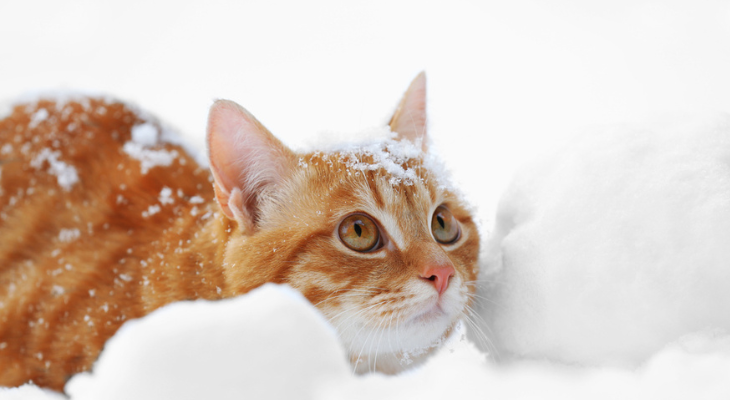
Cat plays in the snow

Cold Weather Tips for Your Pets

Painful slips and falls, frostbite, accidental poisonings, and other health woes can spell trouble for pets when it's cold outside. Fortunately, you can help your furry friends enjoy a safe, happy winter by following these cold weather recommendations.

Make Ice Removal a Priority

Just like you, your pet can injure itself by slipping on icy sidewalks, stairs, porches, and decks. Prevent broken bones, sprains, strains, and other injuries by removing ice promptly or making steps and other surfaces less slippery. Although salt provides an effective way to melt ice, the mineral can damage your pet's sensitive paws. Buy salt-free ice melt labeled safe for pets instead, or lay a no-slip mat over slippery surfaces. Special boots or booties with grippers on the soles will protect your pet's feet and reduce the risk of falls.

Protect Your Pet's Paws

Although you may not use salt to melt ice, chances are some of your neighbors do pour caustic ice melt products on their sidewalks. Prevent painful chemical burns by wiping your pet's paw pads with a moist cloth as soon as it returns inside. Boots and booties offer the ultimate protection from salt burns as well.

After a romp in the snow, inspect your pet's paws for clumps of snow and ice. In addition to being uncomfortable, ice and snow buildup can cause dangerous frostbite. Keep the hair around the paws trimmed to reduce clumps.

Get Rid of Obstacles in Your Yard

Do you know what lurks beneath the blanket of snow in your backyard? Snow covers obstacles that are normally easy to see and avoid, making a walk through the yard a little dangerous for you and your pet. Avoid injuries by putting lawn and garden equipment, buckets, stray pieces of wood, and other obstacles in your garage or home before the snow starts to fall. Family Handyman also recommends removing sharp pieces of ice and frozen snow that could cut or injure your pet.

Use Pet-Safe Antifreeze

Licking even a small amount of antifreeze could kill your pet. Although pets like the scent of antifreeze, ethylene glycol, a chemical in the product, can cause kidney failure or even death. Unfortunately, once you realize that your pet is sick, it may be too late to save it.

Prevent disaster by promptly cleaning up spilled or leaking antifreeze and repairing leaky car radiators. Replace standard motor vehicle antifreeze with pet-safe products. Keep in mind that pet-safe antifreeze is only helpful if you drain your old antifreeze before filling your radiator with the new product.

The ASPCA notes that ethylene glycol is also found in snow globes, some types of latex paint, portable basketball hoop bases, printer and pen inks, and products used to winterize toilets. If you happen to break or spill any of these objects, wipe up the liquid immediately.

If your pet does lick or drink antifreeze, take it to the veterinarian immediately. Signs of antifreeze poisoning include:

  • Staggering or Coordination Problems
  • Lack of Energy
  • Excessive Thirst
  • Frequent Urination
  • Vomiting
  • Low Body Temperature
  • Seizures
  • Coma

Keep Your Pet Warm

While many pets can safely enjoy outdoor time on cold days, some may need a little help to stay warm. A coat or sweater can be a good idea if you have a puppy, a dog with a thin coat, or small, older, frail, or ill pets. Dogster recommends buying waterproof outwear. Without a waterproof coating, coats and sweaters may quickly become wet if your pet happens to roll in the snow.

Although coats and sweaters are certainly helpful, some days are just too cold for outdoor playtime. If it's so cold that you don't want to linger outside, keep your pets indoors until temperatures rise. Think your dog is safe because it has a dog house? Unfortunately, dog houses don't provide enough protection from cold weather. While the houses do block the wind, they won't keep your dog warm. Your pet can easily develop frostbite if left outside on a cold day, even if it has a doghouse. Outdoor cats can suffer frostbite too, despite their fluffy coats. Cats should stay inside if the average temperature is lower than 45F, according to a Reader's Digest article.

Are your pets ready for the winter? If you have concerns about their health or physical condition, give us a call and we'll help you schedule an appointment with the veterinarian.

Sources:

Family Handyman: 10 Winter Dangers That Can Hurt Your Dog, 12/21/2021

https://www.familyhandyman.com/list/winter-dangers-dog/

ASPCA: Getting the Facts on the Dangers of Antifreeze and Your Pets, 2/27/2018

https://www.aspca.org/news/digging-deeper-getting-facts-dangers-antifreeze-and-your-pets

Dogster: Do Dogs Need Coats in the Winter? 7 Dog Coat Myt hs and Facts, 2/15/2021

https://www.dogster.com/lifestyle/do-dogs-need-coats-facts

American Veterinary Medical Association: Cold Weather Animal Safety

https://www.avma.org/resources-tools/pet-owners/petcare/cold-weather-animal-safety

Reader's Digest: When Is It Too Cold for Cats to Go Outside?, 7/20/2021

https://www.rd.com/article/when-is-it-too-cold-for-cats-to-go-outside/

  • Pet Health
    • Chronic Conditions
    • Digestive and Oral Health
    • Diseases and Viruses
    • Pests and Parasites
    • Orthopedics
  • Today's Veterinarian
  • Choosing Your Pet
    • Finding Your Pet
    • Cats
    • Dogs
    • Exotics
      • Amphibians
      • Birds
      • Reptiles
        • Lizards
        • Turtles
    • Small Mammals
      • Ferrets
      • Rabbits
      • Domesticated Animals
        • Prairie Dogs
      • Pocket Pets
        • Chinchillas
        • Guinea Pigs
        • Hamsters
        • Hedgehogs
        • Rats
    • Livestock
      • Cows
      • Donkeys, Horses & Mules
      • Goats
      • Pigs
      • Poultry
      • Sheep
  • Living With Your Pet
    • Bringing Your Pet Home
    • Children and Pets
    • Providing Care
    • Travel
    • Saying Goodbye
  • Newsletter Library
    • Cats
    • Tips for Pet Owners
    • Behavior & Training
    • Fleas & Parasites
    • Keeping Pets Healthy
    • Recognizing Illness
    • Nutrition & Food
    • Pet Dangers
    • Seasonal Topics
    • Visiting the Vet
    • Equine
    • Newsletter Archive
      • Fun with Pets
      • Unbelievable Pets
  • Video Newsroom
    • Health Topics
    • Technology and Science
    • Other Interests
  • Newsletter Library
  • Client Survey
  • Pets4Kids
No embed code settings found. Please configure it

Featured Links

Click to find out more

  • Facebook

    Find us on Facebook.

  • About Us

    Mayerthorpe Veterinary Services is proud to serve the Mayerthorpe Alberta area for everything pet related. Our veterinary clinic and animal hospital is run by licensed, experienced veterinarians.
  • Contact Us

    Please contact with any questions or to request an appointment.

Office Hours

Our Regular Schedule

Monday:

8:30 am-5:00 pm

Tuesday:

8:30 am-5:00 pm

Wednesday:

8:30 am-5:00 pm

Thursday:

8:30 am-5:00 pm

Friday:

8:30 am-5:00 pm

Saturday:

9:00 am-1:00 pm

Sunday:

Closed

Location

Find us on the map

Testimonials

Read What Our Clients Say

Featured Articles

Read about interesting topics

  • March Newsletter: How to Keep Your Cat Safe When Outdoors

    Wondering how your cat can safely spend time outdoors? ...

    Read More
  • March Newsletter: How to Choose Safe Blankets for Pets

    Do you know how to pick a safe blanket for your pet? ...

    Read More
  • February Newsletter: How to Reduce Dental Anxiety in Pets

    Does your pet hate toothbrushing? These tips could reduce dental anxiety. ...

    Read More
  • February Newsletter: How to Safely Change Your Cat’s Food

    Buying a new food for your cat? Find out how to switch foods safely. ...

    Read More
  • January Newsletter: Signs Your Pet Needs a Wellness Exam

    Does your pet need a wellness exam? ...

    Read More
  • January Newsletter: How Your Veterinarian Can Help If Your Pet Ingests Something Toxic

    Has your pet eaten something it shouldn't have? Find out how your vet can help. ...

    Read More
  • December Newsletter: Signs Your Pet Needs a Professional Cleaning

    Do you know when your pet needs a professional cleaning? ...

    Read More
  • December Newsletter: Simple Ways to Keep Your Home Flea-Free for Your Pet’s Well-being

    Never want to see another flea again? Try these tips for a flea-free home. ...

    Read More
  • November Newsletter: The Importance of Bloodwork for Your Pet’s Health

    Wondering if your pet really needs bloodwork? Find out the benefits of blood tests for your furry friend. ...

    Read More
  • November Newsletter: Turkey Day Tips for Pet Owners

    Don't forget about your pet when making Turkey Day preparations. ...

    Read More

Newsletter Sign Up

Error!

    • Copyright © 2026 MH Sub I, LLC dba iMatrix.
    • Admin Log In
    • Site Map