Mayerthorpe Veterinary Services

4818 42 Ave (PO Box 509)

Mayerthorpe, Alberta ABT0E1N0 Canada

780-786-2000

Open mobile navigation
  • Home
  • Contact Us
  • About Us
    • Clinic Tour
      • Onsite Diagnostics
    • Meet the Staff
    • Service Overview
  • Services
    • Small Animal
      • Spays and Neuters
      • Vaccinations and Wellness Exams
      • Soft Tissue Surgery
      • Orthopedic Surgery
      • Dentistry
      • Laser Therapy
    • Bovine
    • Equine
    • Small Ruminant & Camelids
    • Cervid & Bison
    • Other Species
    • Emergency Services
  • Patient Resources
    • Small Animal
      • Breeding and Whelping
      • Puppy Care
      • Kitten Care
      • Geriatric Pets
      • Surgical Info
      • Tattoos and Microchips
      • Pet Euthanasia & Memorials
      • Spays and Neuters
      • Nutrition
    • Bovine
      • Bringing In Your Cattle
      • Farm Visits
      • Vaccinations
      • VCPR and Herd Health
      • Export and EU Certification
      • Resources
    • Equine
      • Bringing In Your Horse
      • Farm Visits
      • Wellness Care
      • Coggins Testing and Exports
      • Referral Information
      • Euthanasia
    • Small Ruminants and Camelids
      • Consultations
      • Deworming
      • Herd/Flock Health and VCPR
      • Vaccinations
      • Resources
    • Exotic and Pocket Pets
    • Veterinary Resources
    • Payment Options
  • Veterinary Newsletters
    • Pet Health
      • Chronic Conditions
      • Digestive and Oral Health
      • Diseases and Viruses
      • Pests and Parasites
      • Orthopedics
    • Today's Veterinarian
    • Choosing Your Pet
      • Finding Your Pet
      • Cats
      • Dogs
      • Exotics
        • Amphibians
        • Birds
        • Reptiles
          • Lizards
          • Turtles
      • Small Mammals
        • Ferrets
        • Rabbits
        • Domesticated Animals
          • Prairie Dogs
        • Pocket Pets
          • Chinchillas
          • Guinea Pigs
          • Hamsters
          • Hedgehogs
          • Rats
      • Livestock
        • Cows
        • Donkeys, Horses & Mules
        • Goats
        • Pigs
        • Poultry
        • Sheep
    • Living With Your Pet
      • Bringing Your Pet Home
      • Children and Pets
      • Providing Care
      • Travel
      • Saying Goodbye
    • Newsletter Library
      • Cats
      • Tips for Pet Owners
      • Behavior & Training
      • Fleas & Parasites
      • Keeping Pets Healthy
      • Recognizing Illness
      • Nutrition & Food
      • Pet Dangers
      • Seasonal Topics
      • Visiting the Vet
      • Equine
      • Newsletter Archive
        • Fun with Pets
        • Unbelievable Pets
    • Video Newsroom
      • Health Topics
      • Technology and Science
      • Other Interests
    • Newsletter Library
    • Client Survey
    • Pets4Kids
  • Home >
  • Articles >
  • Newsletter Library >
  • Seasonal Topics >
  • Cold Weather Pet Safety

Cold Weather Pet Safety

  • Created in Newsletter Library, Seasonal Topics

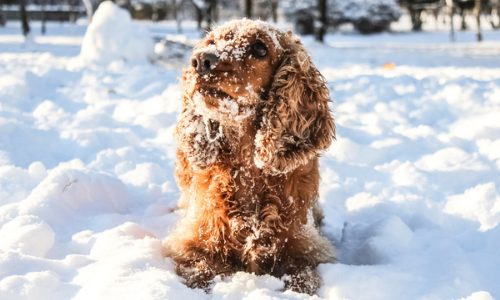
Dog in snow

How to Protect Your Pet When the Weather Turns Cold

Cold weather can be dangerous for your pet's health, causing ailments ranging from skin irritations to frostbite. These six tips will help you keep your pet safe and comfortable no matter how low the temperature drops.

1. Use Pet-Safe Antifreeze

Antifreeze may not look very appetizing to you, but animals are drawn to its sweet scent. Licking a small puddle of antifreeze can cause kidney failure and even death in pets. Since you never know when your radiator will spring a leak, it's a good idea to replace your antifreeze with a pet-safe version.

Before adding pet-safe antifreeze, flush out the old antifreeze and dispose of it. If you just top off the antifreeze with the pet-safe type, your pet may still be at risk. Wipe up antifreeze spills and puddles immediately to protect your pet and other animals.

2. Pay Extra Attention to Your Pet's Paws and Pads

Frozen surfaces, rock salt, and ice-melting chemicals can be hard on your pet's paws. Wipe off your pet's paws after every walk or outdoor play session to prevent painful irritation. Applying a liberal coat of petroleum jelly to your dog or cat's paws before going outside can be a good preventative measure.

Pet-sized boots and booties offer another option. The footwear prevents paws and pads from coming in contact with dangerous substances and also reduces slips and falls on icy surfaces.

Paw inspections are particularly important on snowy or icy days. Remove clumps of snow and ice stuck between your pet's toes promptly to prevent irritation or frostbite.

3. Limit Outside Time on Freezing Cold Days

Your pet's natural fur coat makes chilly days more comfortable but may not offer adequate protection on very cold days. If it's so cold that you don't want to spend more than a few minutes outside, bring your pet inside. Although dog houses can provide some degree of shelter from the wind, your pet will still be affected by the cold and could develop frostbite if left outside for too long.

Some dogs will be more comfortable wearing sweaters when venturing out on cold days. A sweater may be a good idea for short-haired or hairless pets, old, young, frail, or sick animals.

4. Make Sure Your Pet Wears Tags

It's never a good time to lose your pet, but the winter is a particularly bad time for your furry friend to go missing. Bad weather can complicate your search and put your pet's life in jeopardy. A collar with a tag may decrease the amount of time your lost pet spends outdoors before it's reunited with you.

Put an ID tag on your dog or cat even if your pet is microchipped. Veterinary offices and shelters will have microchip readers, but good samaritans won't have these devices.

5. Protect Your Pet from Indoor Hazards

It only takes a second for an injury to occur if your pet is near a fireplace, heater, or lit candle. Place a baby gate enclosure around your fireplace or heater to prevent your pet from wandering too close. Sparks from the fire can cause burns, as can a brush with a heater.

If you use a kerosene heater, it's particularly important to keep the unit away from your pets. Your playful dog or cat could knock over the heater, starting a fire. Battery-operated flameless candles are a better choice if you have a curious cat or dog. The candles provide all the ambiance of the real thing, yet don't pose a fire hazard.

6. Don't Leave Your Pet in a Cold Car

Most people know that hot cars can quickly kill pets and children during the summer months. Unfortunately, cold cars are just as dangerous. The ASPCA notes that cars tend to hold in the cold, acting as refrigerators. If you'll be out of the car for more than 10 minutes, bring your pet with you or better yet, leave it at home.

Do you have a question about your pet's health or need to schedule an appointment? Contact our office and let us know how we can help you.

Sources:

ASPCA: Cold Weather Safety Tips

WebMD: Pet Winter Safety: Prepping Your Pet for Winter Weather

American Veterinary Medical Association: Cold Weather Animal Safety

  • Pet Health
    • Chronic Conditions
    • Digestive and Oral Health
    • Diseases and Viruses
    • Pests and Parasites
    • Orthopedics
  • Today's Veterinarian
  • Choosing Your Pet
    • Finding Your Pet
    • Cats
    • Dogs
    • Exotics
      • Amphibians
      • Birds
      • Reptiles
        • Lizards
        • Turtles
    • Small Mammals
      • Ferrets
      • Rabbits
      • Domesticated Animals
        • Prairie Dogs
      • Pocket Pets
        • Chinchillas
        • Guinea Pigs
        • Hamsters
        • Hedgehogs
        • Rats
    • Livestock
      • Cows
      • Donkeys, Horses & Mules
      • Goats
      • Pigs
      • Poultry
      • Sheep
  • Living With Your Pet
    • Bringing Your Pet Home
    • Children and Pets
    • Providing Care
    • Travel
    • Saying Goodbye
  • Newsletter Library
    • Cats
    • Tips for Pet Owners
    • Behavior & Training
    • Fleas & Parasites
    • Keeping Pets Healthy
    • Recognizing Illness
    • Nutrition & Food
    • Pet Dangers
    • Seasonal Topics
    • Visiting the Vet
    • Equine
    • Newsletter Archive
      • Fun with Pets
      • Unbelievable Pets
  • Video Newsroom
    • Health Topics
    • Technology and Science
    • Other Interests
  • Newsletter Library
  • Client Survey
  • Pets4Kids
No embed code settings found. Please configure it

Featured Links

Click to find out more

  • Facebook

    Find us on Facebook.

  • About Us

    Mayerthorpe Veterinary Services is proud to serve the Mayerthorpe Alberta area for everything pet related. Our veterinary clinic and animal hospital is run by licensed, experienced veterinarians.
  • Contact Us

    Please contact with any questions or to request an appointment.

Office Hours

Our Regular Schedule

Monday:

8:30 am-5:00 pm

Tuesday:

8:30 am-5:00 pm

Wednesday:

8:30 am-5:00 pm

Thursday:

8:30 am-5:00 pm

Friday:

8:30 am-5:00 pm

Saturday:

9:00 am-1:00 pm

Sunday:

Closed

Location

Find us on the map

Testimonials

Read What Our Clients Say

Featured Articles

Read about interesting topics

  • March Newsletter: How to Keep Your Cat Safe When Outdoors

    Wondering how your cat can safely spend time outdoors? ...

    Read More
  • March Newsletter: How to Choose Safe Blankets for Pets

    Do you know how to pick a safe blanket for your pet? ...

    Read More
  • February Newsletter: How to Reduce Dental Anxiety in Pets

    Does your pet hate toothbrushing? These tips could reduce dental anxiety. ...

    Read More
  • February Newsletter: How to Safely Change Your Cat’s Food

    Buying a new food for your cat? Find out how to switch foods safely. ...

    Read More
  • January Newsletter: Signs Your Pet Needs a Wellness Exam

    Does your pet need a wellness exam? ...

    Read More
  • January Newsletter: How Your Veterinarian Can Help If Your Pet Ingests Something Toxic

    Has your pet eaten something it shouldn't have? Find out how your vet can help. ...

    Read More
  • December Newsletter: Signs Your Pet Needs a Professional Cleaning

    Do you know when your pet needs a professional cleaning? ...

    Read More
  • December Newsletter: Simple Ways to Keep Your Home Flea-Free for Your Pet’s Well-being

    Never want to see another flea again? Try these tips for a flea-free home. ...

    Read More
  • November Newsletter: The Importance of Bloodwork for Your Pet’s Health

    Wondering if your pet really needs bloodwork? Find out the benefits of blood tests for your furry friend. ...

    Read More
  • November Newsletter: Turkey Day Tips for Pet Owners

    Don't forget about your pet when making Turkey Day preparations. ...

    Read More

Newsletter Sign Up

Error!

    • Copyright © 2026 MH Sub I, LLC dba iMatrix.
    • Admin Log In
    • Site Map