Mayerthorpe Veterinary Services

4818 42 Ave (PO Box 509)

Mayerthorpe, Alberta ABT0E1N0 Canada

780-786-2000

Open mobile navigation
  • Home
  • Contact Us
  • About Us
    • Clinic Tour
      • Onsite Diagnostics
    • Meet the Staff
    • Service Overview
  • Services
    • Small Animal
      • Spays and Neuters
      • Vaccinations and Wellness Exams
      • Soft Tissue Surgery
      • Orthopedic Surgery
      • Dentistry
      • Laser Therapy
    • Bovine
    • Equine
    • Small Ruminant & Camelids
    • Cervid & Bison
    • Other Species
    • Emergency Services
  • Patient Resources
    • Small Animal
      • Breeding and Whelping
      • Puppy Care
      • Kitten Care
      • Geriatric Pets
      • Surgical Info
      • Tattoos and Microchips
      • Pet Euthanasia & Memorials
      • Spays and Neuters
      • Nutrition
    • Bovine
      • Bringing In Your Cattle
      • Farm Visits
      • Vaccinations
      • VCPR and Herd Health
      • Export and EU Certification
      • Resources
    • Equine
      • Bringing In Your Horse
      • Farm Visits
      • Wellness Care
      • Coggins Testing and Exports
      • Referral Information
      • Euthanasia
    • Small Ruminants and Camelids
      • Consultations
      • Deworming
      • Herd/Flock Health and VCPR
      • Vaccinations
      • Resources
    • Exotic and Pocket Pets
    • Veterinary Resources
    • Payment Options
  • Veterinary Newsletters
    • Pet Health
      • Chronic Conditions
      • Digestive and Oral Health
      • Diseases and Viruses
      • Pests and Parasites
      • Orthopedics
    • Today's Veterinarian
    • Choosing Your Pet
      • Finding Your Pet
      • Cats
      • Dogs
      • Exotics
        • Amphibians
        • Birds
        • Reptiles
          • Lizards
          • Turtles
      • Small Mammals
        • Ferrets
        • Rabbits
        • Domesticated Animals
          • Prairie Dogs
        • Pocket Pets
          • Chinchillas
          • Guinea Pigs
          • Hamsters
          • Hedgehogs
          • Rats
      • Livestock
        • Cows
        • Donkeys, Horses & Mules
        • Goats
        • Pigs
        • Poultry
        • Sheep
    • Living With Your Pet
      • Bringing Your Pet Home
      • Children and Pets
      • Providing Care
      • Travel
      • Saying Goodbye
    • Newsletter Library
      • Cats
      • Tips for Pet Owners
      • Behavior & Training
      • Fleas & Parasites
      • Keeping Pets Healthy
      • Recognizing Illness
      • Nutrition & Food
      • Pet Dangers
      • Seasonal Topics
      • Visiting the Vet
      • Equine
      • Newsletter Archive
        • Fun with Pets
        • Unbelievable Pets
    • Video Newsroom
      • Health Topics
      • Technology and Science
      • Other Interests
    • Newsletter Library
    • Client Survey
    • Pets4Kids
  • Home >
  • Articles >
  • Newsletter Library >
  • Tips for Pet Owners >
  • What To Know About Bathing and Grooming Your Dog

What To Know About Bathing and Grooming Your Dog

  • Created in Newsletter Library, Tips for Pet Owners
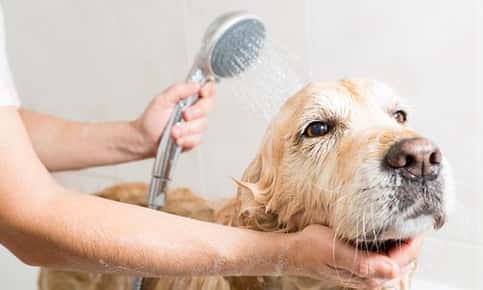
Dog receiving a bath

How Often Should I Groom and Bathe My Dog?

If bathing your dog leaves you wetter than your pet, you may be wondering just how often you really need to wash your pet. Although most dogs don't require daily baths, washing them periodically improves their appearance, reduces odors, and helps keep their skin healthy.

When to Bathe Your Furry Friend

Dogs only need to be bathed every four to eight weeks, but the optimal time between baths varies depending on your pet's breed and coat type. If you notice your pet's coat is naturally a little oily, monthly baths may be ideal. (If your pet's coat isn't normally oily, ask your veterinarian if a skin condition could be the cause.)

Dogs that have double or water-repellant coats, like Australian Shepherds, Siberian Huskies, Akitas, Labrador Retrievers, and Newfoundlands, may only need baths every few months. Bathing them more often than necessary can cause dry skin. Short-haired dogs may also require less frequent bathing, as dirt usually doesn't become trapped in their fur and can be easily removed during grooming sessions.

Hairless dogs should be bathed more often than other breeds. In fact, weekly bathing may be needed to protect your Chinese Crested or American Hairless Terrier's skin. Lack of hair can increase the risk of dry skin and skin infections in these dogs. Regular bathing with a moisturizing shampoo removes dirt, debris, and bacteria while also reducing dryness.

Regardless of the coat type, your dog may need to be bathed more frequently if it enjoys rolling around in the mud, inspecting the neighbor's garbage or swimming in the ocean or a lake. If your pet is just a little dirty, you may be able to remove much of the dirt with a wet washcloth.

6 Dog Bathing Tips

Does your dog dread bath time? These tips may make the process a little easier:

  • Don't Overfill the Bathtub. You may enjoy immersing yourself completely when you take a bath, but your dog probably doesn't share your feelings. Three or four inches of water are ideal for medium or small dogs, but you'll only need an inch or two for small dogs. Dogs generally find lukewarm water most comfortable.
  • Brush Your Dog First. Brushing helps remove dirt and prevent mats. if you don't brush your dog first, you may spend more time than expected detangling your pet's wet fur.
  • Be Prepared. Collect the supplies you need before you start the bath. Constant interruptions only prolong the process and can stress dogs that don't particularly enjoy baths.
  • Provide Sure Footing. Sliding on the slippery tub floor may make bathtime unpleasant for your dog. Before you fill the bathtub, put a non-slip rubber mat or a towel on the bottom of the tub.
  • Don't Share Shampoo. Your shampoo is too acidic for your pet's skin and contains fragrances your dog may find unappealing or irritating. Using human shampoo may dry your pet's skin and increase the risk of developing a skin infection. Fortunately, you'll find a selection of dog-safe shampoos online, at your veterinarian's office or at pet supply stores.
  • Make an Appointment with a Professional. If bathing is an unpleasant experience for you and your dog, consider scheduling a grooming appointment for your pet.

Grooming Helps Keep Your Dog Clean Between Baths

Brushing your dog daily, or at least every few days helps keep mats and clumps to a minimum, removes dirt and loose hair, and distributes skin oils that keep the coat glossy and healthy.

Grooming sessions also provide the perfect opportunity to spot flea infestations. Although fleas may be too small to see, you may notice a few signs that your pet is infested, such as reddened skin, tiny red bites, hair loss or a collection of brown or red flea "dirt" on the base of the tail, abdomen, neck or ears.

While you brush your pet, look for rashes, hot spots, lumps, and bald spots. Call your pet's veterinarian for advice if you notice any of these symptoms. Thanks to regular grooming sessions, you may discover potential health issues before they can make your pet too uncomfortable.

Regular brushing and bathing help your pet stay healthy and well-groomed. Not sure how often to bathe or groom your dog? Give us a call. We're here to help you care for your pet, whether you have concerns about grooming or health issues. Contact our office to schedule your appointment.

Sources:

PetMD: Pet Health: Why Bathing and Brushing Are Important

https://pets.webmd.com/features/pets-bathe-groom-important#1

American Kennel Club: How Often Should You Bathe Your Dog? Groomers Weigh In

Dogtime: Dogs 101: Everything You Should Know About Bathing Your Dog

  • Pet Health
    • Chronic Conditions
    • Digestive and Oral Health
    • Diseases and Viruses
    • Pests and Parasites
    • Orthopedics
  • Today's Veterinarian
  • Choosing Your Pet
    • Finding Your Pet
    • Cats
    • Dogs
    • Exotics
      • Amphibians
      • Birds
      • Reptiles
        • Lizards
        • Turtles
    • Small Mammals
      • Ferrets
      • Rabbits
      • Domesticated Animals
        • Prairie Dogs
      • Pocket Pets
        • Chinchillas
        • Guinea Pigs
        • Hamsters
        • Hedgehogs
        • Rats
    • Livestock
      • Cows
      • Donkeys, Horses & Mules
      • Goats
      • Pigs
      • Poultry
      • Sheep
  • Living With Your Pet
    • Bringing Your Pet Home
    • Children and Pets
    • Providing Care
    • Travel
    • Saying Goodbye
  • Newsletter Library
    • Cats
    • Tips for Pet Owners
    • Behavior & Training
    • Fleas & Parasites
    • Keeping Pets Healthy
    • Recognizing Illness
    • Nutrition & Food
    • Pet Dangers
    • Seasonal Topics
    • Visiting the Vet
    • Equine
    • Newsletter Archive
      • Fun with Pets
      • Unbelievable Pets
  • Video Newsroom
    • Health Topics
    • Technology and Science
    • Other Interests
  • Newsletter Library
  • Client Survey
  • Pets4Kids
No embed code settings found. Please configure it

Featured Links

Click to find out more

  • Facebook

    Find us on Facebook.

  • About Us

    Mayerthorpe Veterinary Services is proud to serve the Mayerthorpe Alberta area for everything pet related. Our veterinary clinic and animal hospital is run by licensed, experienced veterinarians.
  • Contact Us

    Please contact with any questions or to request an appointment.

Office Hours

Our Regular Schedule

Monday:

8:30 am-5:00 pm

Tuesday:

8:30 am-5:00 pm

Wednesday:

8:30 am-5:00 pm

Thursday:

8:30 am-5:00 pm

Friday:

8:30 am-5:00 pm

Saturday:

9:00 am-1:00 pm

Sunday:

Closed

Location

Find us on the map

Testimonials

Read What Our Clients Say

Featured Articles

Read about interesting topics

  • March Newsletter: How to Keep Your Cat Safe When Outdoors

    Wondering how your cat can safely spend time outdoors? ...

    Read More
  • March Newsletter: How to Choose Safe Blankets for Pets

    Do you know how to pick a safe blanket for your pet? ...

    Read More
  • February Newsletter: How to Reduce Dental Anxiety in Pets

    Does your pet hate toothbrushing? These tips could reduce dental anxiety. ...

    Read More
  • February Newsletter: How to Safely Change Your Cat’s Food

    Buying a new food for your cat? Find out how to switch foods safely. ...

    Read More
  • January Newsletter: Signs Your Pet Needs a Wellness Exam

    Does your pet need a wellness exam? ...

    Read More
  • January Newsletter: How Your Veterinarian Can Help If Your Pet Ingests Something Toxic

    Has your pet eaten something it shouldn't have? Find out how your vet can help. ...

    Read More
  • December Newsletter: Signs Your Pet Needs a Professional Cleaning

    Do you know when your pet needs a professional cleaning? ...

    Read More
  • December Newsletter: Simple Ways to Keep Your Home Flea-Free for Your Pet’s Well-being

    Never want to see another flea again? Try these tips for a flea-free home. ...

    Read More
  • November Newsletter: The Importance of Bloodwork for Your Pet’s Health

    Wondering if your pet really needs bloodwork? Find out the benefits of blood tests for your furry friend. ...

    Read More
  • November Newsletter: Turkey Day Tips for Pet Owners

    Don't forget about your pet when making Turkey Day preparations. ...

    Read More

Newsletter Sign Up

Error!

    • Copyright © 2026 MH Sub I, LLC dba iMatrix.
    • Admin Log In
    • Site Map