Mayerthorpe Veterinary Services

4818 42 Ave (PO Box 509)

Mayerthorpe, Alberta ABT0E1N0 Canada

780-786-2000

Open mobile navigation
  • Home
  • Contact Us
  • About Us
    • Clinic Tour
      • Onsite Diagnostics
    • Meet the Staff
    • Service Overview
  • Services
    • Small Animal
      • Spays and Neuters
      • Vaccinations and Wellness Exams
      • Soft Tissue Surgery
      • Orthopedic Surgery
      • Dentistry
      • Laser Therapy
    • Bovine
    • Equine
    • Small Ruminant & Camelids
    • Cervid & Bison
    • Other Species
    • Emergency Services
  • Patient Resources
    • Small Animal
      • Breeding and Whelping
      • Puppy Care
      • Kitten Care
      • Geriatric Pets
      • Surgical Info
      • Tattoos and Microchips
      • Pet Euthanasia & Memorials
      • Spays and Neuters
      • Nutrition
    • Bovine
      • Bringing In Your Cattle
      • Farm Visits
      • Vaccinations
      • VCPR and Herd Health
      • Export and EU Certification
      • Resources
    • Equine
      • Bringing In Your Horse
      • Farm Visits
      • Wellness Care
      • Coggins Testing and Exports
      • Referral Information
      • Euthanasia
    • Small Ruminants and Camelids
      • Consultations
      • Deworming
      • Herd/Flock Health and VCPR
      • Vaccinations
      • Resources
    • Exotic and Pocket Pets
    • Veterinary Resources
    • Payment Options
  • Veterinary Newsletters
    • Pet Health
      • Chronic Conditions
      • Digestive and Oral Health
      • Diseases and Viruses
      • Pests and Parasites
      • Orthopedics
    • Today's Veterinarian
    • Choosing Your Pet
      • Finding Your Pet
      • Cats
      • Dogs
      • Exotics
        • Amphibians
        • Birds
        • Reptiles
          • Lizards
          • Turtles
      • Small Mammals
        • Ferrets
        • Rabbits
        • Domesticated Animals
          • Prairie Dogs
        • Pocket Pets
          • Chinchillas
          • Guinea Pigs
          • Hamsters
          • Hedgehogs
          • Rats
      • Livestock
        • Cows
        • Donkeys, Horses & Mules
        • Goats
        • Pigs
        • Poultry
        • Sheep
    • Living With Your Pet
      • Bringing Your Pet Home
      • Children and Pets
      • Providing Care
      • Travel
      • Saying Goodbye
    • Newsletter Library
      • Cats
      • Tips for Pet Owners
      • Behavior & Training
      • Fleas & Parasites
      • Keeping Pets Healthy
      • Recognizing Illness
      • Nutrition & Food
      • Pet Dangers
      • Seasonal Topics
      • Visiting the Vet
      • Equine
      • Newsletter Archive
        • Fun with Pets
        • Unbelievable Pets
    • Video Newsroom
      • Health Topics
      • Technology and Science
      • Other Interests
    • Newsletter Library
    • Client Survey
    • Pets4Kids
  • Home >
  • Articles >
  • Newsletter Library >
  • Behavior & Training >
  • Managing Your Pet’s Anxiety

Managing Your Pet’s Anxiety

  • Created in Newsletter Library, Behavior & Training
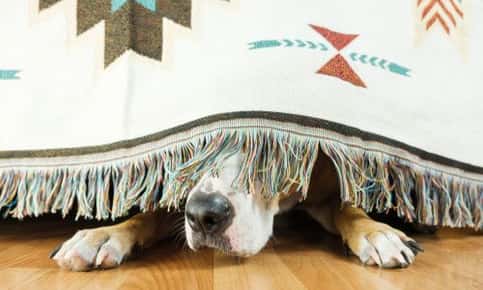
Dog with anxiety hiding under the bed

How to Calm an Anxious Pet

Does your pet cower in fear during thunderstorms or hate to be alone? Although it doesn't seem fair, anxiety isn't just a human problem but can affect animals too. Fortunately, there are a few steps you can take to decrease your pet's anxiety.

Anxiety Triggers

Identifying your pet's triggers can help you create a strategy to calm your dog, cat or rabbit. Triggers vary from animal to animal and may include:

  • Loud Sounds: Vacuum cleaners, fireworks, thunder, and other sounds can be particularly frightening to some pets.
  • New People or Animals: Exposure to unfamiliar animals and people may increase anxiety symptoms in some pets.
  • Change in Routine: Moving, bringing a new person or pet into your household, or even changing your work schedule may be the catalyst for your pet's anxiety symptoms.
  • Visits to the Veterinarian: Some pets are overwhelmed by the unfamiliar sights, sounds, and smells at the veterinary office or feel threatened by the other animals in the waiting area.
  • Certain Surfaces: Does your pet resist walking on marble, hardwood, laminate or types of smooth flooring? He or she may be afraid of falling or may have been scolded after walking on a particular type of floor in the past.
  • Separation: Separation anxiety is particularly common among pets, affecting 14 percent of dogs, according to the American Kennel Club.
  • Aging: Pets that have cognitive dysfunction syndrome, a condition similar to dementia in people, may develop anxiety.

Signs of Anxiety in Pets

Anxious pets may lash out if they're afraid of a person, animal or object. Your pet may express fear by growling, barking, hissing, biting or scratching.

Just like people, animals can lose control of their bowels or bladder if they're extremely anxious or fearful. If you've ever returned home and discovered that your housetrained dog or cat had an accident, separation anxiety may be to blame. Anxious pets can also be destructive. Social media is full of videos and photographs of mangled couch cushions, gouged doors, and overturned plants.

Anxiety can trigger frequent barking, howling, meowing, or drooling. Cats or rabbits may groom themselves excessively, causing bald or irritated spots on their skin.

How to Reduce Anxiety

These tips may help your pet feel more secure and less fearful:

  • Create a Safe Space: Place your pet in a quiet room when you're vacuuming, hosting a noisy party, or meeting your best friend's new Great Dane.
  • Try Pheromones: Pheromones are natural or synthetic chemicals that can calm stressed or anxious pets. Pet stores and online shopping sites sell pheromone sprays, diffusers, wipes, and collars.
  • Avoid Routine Changes if Possible: Your work schedule may change, but that doesn't necessarily mean that your pet's routine must be altered. Ask another family member or roommate to feed, walk or play with your pet at the usual times. If you're going out of town, your anxious pet may be happier staying at home with a pet sitter rather than spending the time in a boarding kennel.
  • Give Your Pet a Piece of Your Clothing: Decrease separation anxiety by giving your pet clothing that contains your scent.
  • Buy a Calming Vest: Calming vests are a type of wrap-around jacket that calms pets by applying constant pressure to their bodies. Similar to weighted blankets for humans, calming vests help dogs and cats cope with loud noises and may also help with general anxiety.
  • Make Time for Exercise: After a vigorous game of fetch or chase the laser pointer light, your pet may feel much calmer. Daily exercise is beneficial for all pets but is particularly important if your pet suffers from anxiety.
  • Gradually Desensitize Your Pet to the Anxiety Trigger: Pets may become less fearful if they're gradually exposed to anxiety triggers. If your pet is afraid to walk on hardwood or laminate floors, take one or two steps into the room and offer a treat. When the fear of loud noises is the problem, play a recording of thunder or fireworks for a few seconds, then offer a treat. Discontinue this approach if your pet doesn't respond well or becomes increasingly agitated.
  • Talk to Your Pet's Veterinarian: If these suggestions don't relieve your pet's anxiety, it's a good idea to consult the veterinarian. Your pet's doctor can offer suggestions, prescribe anti-anxiety medication, if needed, or make a referral to a behavioral specialist. Your pet will also receive a thorough examination to make sure that anxiety isn't related to a health condition or disease.

Are you worried about your pet's anxiety? Contact our office to schedule an appointment.

Sources:

AKC: Understanding, Preventing, and Treating Dog Anxiety, 5/14/19

Humane Society of the United States: Does Your Dog Freak Out When You Leave?

PetMD: 6 Cat Calming Products to Help Ease Cat Anxiety

Yummy Magazine: Stress in Rabbits, 2/16/18

  • Pet Health
    • Chronic Conditions
    • Digestive and Oral Health
    • Diseases and Viruses
    • Pests and Parasites
    • Orthopedics
  • Today's Veterinarian
  • Choosing Your Pet
    • Finding Your Pet
    • Cats
    • Dogs
    • Exotics
      • Amphibians
      • Birds
      • Reptiles
        • Lizards
        • Turtles
    • Small Mammals
      • Ferrets
      • Rabbits
      • Domesticated Animals
        • Prairie Dogs
      • Pocket Pets
        • Chinchillas
        • Guinea Pigs
        • Hamsters
        • Hedgehogs
        • Rats
    • Livestock
      • Cows
      • Donkeys, Horses & Mules
      • Goats
      • Pigs
      • Poultry
      • Sheep
  • Living With Your Pet
    • Bringing Your Pet Home
    • Children and Pets
    • Providing Care
    • Travel
    • Saying Goodbye
  • Newsletter Library
    • Cats
    • Tips for Pet Owners
    • Behavior & Training
    • Fleas & Parasites
    • Keeping Pets Healthy
    • Recognizing Illness
    • Nutrition & Food
    • Pet Dangers
    • Seasonal Topics
    • Visiting the Vet
    • Equine
    • Newsletter Archive
      • Fun with Pets
      • Unbelievable Pets
  • Video Newsroom
    • Health Topics
    • Technology and Science
    • Other Interests
  • Newsletter Library
  • Client Survey
  • Pets4Kids
No embed code settings found. Please configure it

Featured Links

Click to find out more

  • Facebook

    Find us on Facebook.

  • About Us

    Mayerthorpe Veterinary Services is proud to serve the Mayerthorpe Alberta area for everything pet related. Our veterinary clinic and animal hospital is run by licensed, experienced veterinarians.
  • Contact Us

    Please contact with any questions or to request an appointment.

Office Hours

Our Regular Schedule

Monday:

8:30 am-5:00 pm

Tuesday:

8:30 am-5:00 pm

Wednesday:

8:30 am-5:00 pm

Thursday:

8:30 am-5:00 pm

Friday:

8:30 am-5:00 pm

Saturday:

9:00 am-1:00 pm

Sunday:

Closed

Location

Find us on the map

Testimonials

Read What Our Clients Say

Featured Articles

Read about interesting topics

  • March Newsletter: How to Keep Your Cat Safe When Outdoors

    Wondering how your cat can safely spend time outdoors? ...

    Read More
  • March Newsletter: How to Choose Safe Blankets for Pets

    Do you know how to pick a safe blanket for your pet? ...

    Read More
  • February Newsletter: How to Reduce Dental Anxiety in Pets

    Does your pet hate toothbrushing? These tips could reduce dental anxiety. ...

    Read More
  • February Newsletter: How to Safely Change Your Cat’s Food

    Buying a new food for your cat? Find out how to switch foods safely. ...

    Read More
  • January Newsletter: Signs Your Pet Needs a Wellness Exam

    Does your pet need a wellness exam? ...

    Read More
  • January Newsletter: How Your Veterinarian Can Help If Your Pet Ingests Something Toxic

    Has your pet eaten something it shouldn't have? Find out how your vet can help. ...

    Read More
  • December Newsletter: Signs Your Pet Needs a Professional Cleaning

    Do you know when your pet needs a professional cleaning? ...

    Read More
  • December Newsletter: Simple Ways to Keep Your Home Flea-Free for Your Pet’s Well-being

    Never want to see another flea again? Try these tips for a flea-free home. ...

    Read More
  • November Newsletter: The Importance of Bloodwork for Your Pet’s Health

    Wondering if your pet really needs bloodwork? Find out the benefits of blood tests for your furry friend. ...

    Read More
  • November Newsletter: Turkey Day Tips for Pet Owners

    Don't forget about your pet when making Turkey Day preparations. ...

    Read More

Newsletter Sign Up

Error!

    • Copyright © 2026 MH Sub I, LLC dba iMatrix.
    • Admin Log In
    • Site Map