Mayerthorpe Veterinary Services

4818 42 Ave (PO Box 509)

Mayerthorpe, Alberta ABT0E1N0 Canada

780-786-2000

Open mobile navigation
  • Home
  • Contact Us
  • About Us
    • Clinic Tour
      • Onsite Diagnostics
    • Meet the Staff
    • Service Overview
  • Services
    • Small Animal
      • Spays and Neuters
      • Vaccinations and Wellness Exams
      • Soft Tissue Surgery
      • Orthopedic Surgery
      • Dentistry
      • Laser Therapy
    • Bovine
    • Equine
    • Small Ruminant & Camelids
    • Cervid & Bison
    • Other Species
    • Emergency Services
  • Patient Resources
    • Small Animal
      • Breeding and Whelping
      • Puppy Care
      • Kitten Care
      • Geriatric Pets
      • Surgical Info
      • Tattoos and Microchips
      • Pet Euthanasia & Memorials
      • Spays and Neuters
      • Nutrition
    • Bovine
      • Bringing In Your Cattle
      • Farm Visits
      • Vaccinations
      • VCPR and Herd Health
      • Export and EU Certification
      • Resources
    • Equine
      • Bringing In Your Horse
      • Farm Visits
      • Wellness Care
      • Coggins Testing and Exports
      • Referral Information
      • Euthanasia
    • Small Ruminants and Camelids
      • Consultations
      • Deworming
      • Herd/Flock Health and VCPR
      • Vaccinations
      • Resources
    • Exotic and Pocket Pets
    • Veterinary Resources
    • Payment Options
  • Veterinary Newsletters
    • Pet Health
      • Chronic Conditions
      • Digestive and Oral Health
      • Diseases and Viruses
      • Pests and Parasites
      • Orthopedics
    • Today's Veterinarian
    • Choosing Your Pet
      • Finding Your Pet
      • Cats
      • Dogs
      • Exotics
        • Amphibians
        • Birds
        • Reptiles
          • Lizards
          • Turtles
      • Small Mammals
        • Ferrets
        • Rabbits
        • Domesticated Animals
          • Prairie Dogs
        • Pocket Pets
          • Chinchillas
          • Guinea Pigs
          • Hamsters
          • Hedgehogs
          • Rats
      • Livestock
        • Cows
        • Donkeys, Horses & Mules
        • Goats
        • Pigs
        • Poultry
        • Sheep
    • Living With Your Pet
      • Bringing Your Pet Home
      • Children and Pets
      • Providing Care
      • Travel
      • Saying Goodbye
    • Newsletter Library
      • Cats
      • Tips for Pet Owners
      • Behavior & Training
      • Fleas & Parasites
      • Keeping Pets Healthy
      • Recognizing Illness
      • Nutrition & Food
      • Pet Dangers
      • Seasonal Topics
      • Visiting the Vet
      • Equine
      • Newsletter Archive
        • Fun with Pets
        • Unbelievable Pets
    • Video Newsroom
      • Health Topics
      • Technology and Science
      • Other Interests
    • Newsletter Library
    • Client Survey
    • Pets4Kids
  • Home >
  • Articles >
  • Newsletter Library >
  • Tips for Pet Owners >
  • Nail Trimming Do's and Don'ts

Nail Trimming Do's and Don'ts

  • Created in Newsletter Library, Tips for Pet Owners
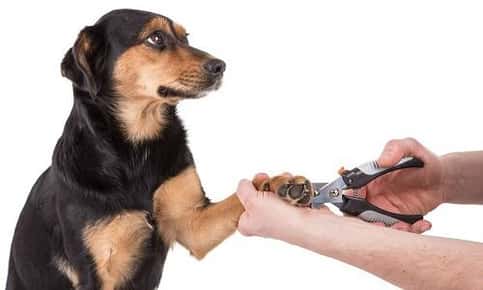
Dog getting nails trimmed

Nail Trimming Do's and Don'ts

Nail trimming should be a quick, simple procedure. Unfortunately, this basic grooming task often turns into a stressful experience for people and pets alike. Whether you're concerned about hurting your pet or aren't sure which tools to use, these tips may help make nail trimming much more pleasant for both you and your pet.

Set the Mood

Your pet may not require candles and soft music for nail trimming, but picking the right time and place is important. Choose a quiet room away from the action and choose a time when things are relatively peaceful at your house. Your pet is much more likely to react positively to nail trimming if you're relaxed and patient.

Don't Forget to Practice

If you'll be cutting your pet's nails for the first time, it's a good idea to begin the process slowly. Begin by simply holding your pet's paw in your hand for the first week or two. If you have a cat, use gentle pressure to expose the nail. Offer your pet a treat at the end of these sessions.

The sound of the clippers can be disconcerting to some pets. While you hold your pet's paw with one hand, use the other hand to open and close the clippers a few times. Once your pet becomes accustomed to this step, you can move on to the actual trimming.

Use the Best Angle

Hold clippers at a 45-degree angle when cutting your pet's nails. Cut quickly and decisively. If you're too tentative, you may not cut the nail completely, which means that you'll have to start the process over again.

The choice to use guillotine or scissors is a personal preference. You may want to try both kinds of trimmers to determine which are easier to operate. Look for trimmers that cut easily and quickly, aren't too bulky or heavy, and don't shred the nails. Clippers can become dull over time. Be sure to sharpen or replace them regularly. If your pet's nails feel a little rough after trimming, file them lightly to prevent snags on carpets and fabrics.

Avoid the Quick

Cutting through the quick, the vertical pink line in the center of your pet's nails, will cause pain and bleeding. Always start your cut below the quick to avoid injuring your cat or dog. If you don't think the nail is short enough, make another small cut, as long as you can do so without coming too close to the quick.

The quick may appear black or gray instead of pink in pets with dark nails. If you're not sure if you should continue cutting the nail, look for a small gray or white circle inside the nail. If you see the circle, you're getting too close to the quick and shouldn't attempt another cut. Styptic powder or cornstarch will slow bleeding if you accidentally cut through the quick.

Don't Rush It

Although cutting all of your pet's nails in one session might be your goal, that's not always realistic. Your pet may be perfectly willing to sit still while you trim one or two paws but not all four of them. The more your pet squirms, the greater the chance that you'll cut the quick or a paw. If your pet objects to trimming, put down the clippers and try again in a day or two.

Use an Assistant

Sometimes, it's easier to trim your pet's nails if you have an assistant. Your helper can distract your dog or cat or hold your pet while you concentrate on the trimming. If help isn't available, hold your cat on your lap facing outward, gently press on the base of the nail to extend it, then use the other hand to operate the clippers.

Ask for Help

No matter how patiently you approach nail trimming, it may still be a struggle in some cases. If you don't feel comfortable cutting your pet's nails, give your veterinarian or groomer a call. These professionals can convince the most reluctant pets to cooperate and are happy to handle nail trimming for you.

Do you need a little help trimming your pet's nails? Contact us to schedule a quick, convenient appointment.

Sources:

PetMD: How to Clip Dog Nails

https://www.petmd.com/dog/grooming/evr_dg_how_to_trim_a_dogs_toenails

Dogs Naturally: A Stress-Free Way For Trimming Your Dog’s Toenails

https://www.dogsnaturallymagazine.com/trimming-your-dogs-toenails/

The Humane Society of the United States: Trimming a Cat’s Claws

https://www.humanesociety.org/resources/trimming-cats-claws

  • Pet Health
    • Chronic Conditions
    • Digestive and Oral Health
    • Diseases and Viruses
    • Pests and Parasites
    • Orthopedics
  • Today's Veterinarian
  • Choosing Your Pet
    • Finding Your Pet
    • Cats
    • Dogs
    • Exotics
      • Amphibians
      • Birds
      • Reptiles
        • Lizards
        • Turtles
    • Small Mammals
      • Ferrets
      • Rabbits
      • Domesticated Animals
        • Prairie Dogs
      • Pocket Pets
        • Chinchillas
        • Guinea Pigs
        • Hamsters
        • Hedgehogs
        • Rats
    • Livestock
      • Cows
      • Donkeys, Horses & Mules
      • Goats
      • Pigs
      • Poultry
      • Sheep
  • Living With Your Pet
    • Bringing Your Pet Home
    • Children and Pets
    • Providing Care
    • Travel
    • Saying Goodbye
  • Newsletter Library
    • Cats
    • Tips for Pet Owners
    • Behavior & Training
    • Fleas & Parasites
    • Keeping Pets Healthy
    • Recognizing Illness
    • Nutrition & Food
    • Pet Dangers
    • Seasonal Topics
    • Visiting the Vet
    • Equine
    • Newsletter Archive
      • Fun with Pets
      • Unbelievable Pets
  • Video Newsroom
    • Health Topics
    • Technology and Science
    • Other Interests
  • Newsletter Library
  • Client Survey
  • Pets4Kids
No embed code settings found. Please configure it

Featured Links

Click to find out more

  • Facebook

    Find us on Facebook.

  • About Us

    Mayerthorpe Veterinary Services is proud to serve the Mayerthorpe Alberta area for everything pet related. Our veterinary clinic and animal hospital is run by licensed, experienced veterinarians.
  • Contact Us

    Please contact with any questions or to request an appointment.

Office Hours

Our Regular Schedule

Monday:

8:30 am-5:00 pm

Tuesday:

8:30 am-5:00 pm

Wednesday:

8:30 am-5:00 pm

Thursday:

8:30 am-5:00 pm

Friday:

8:30 am-5:00 pm

Saturday:

9:00 am-1:00 pm

Sunday:

Closed

Location

Find us on the map

Testimonials

Read What Our Clients Say

Featured Articles

Read about interesting topics

  • March Newsletter: How to Keep Your Cat Safe When Outdoors

    Wondering how your cat can safely spend time outdoors? ...

    Read More
  • March Newsletter: How to Choose Safe Blankets for Pets

    Do you know how to pick a safe blanket for your pet? ...

    Read More
  • February Newsletter: How to Reduce Dental Anxiety in Pets

    Does your pet hate toothbrushing? These tips could reduce dental anxiety. ...

    Read More
  • February Newsletter: How to Safely Change Your Cat’s Food

    Buying a new food for your cat? Find out how to switch foods safely. ...

    Read More
  • January Newsletter: Signs Your Pet Needs a Wellness Exam

    Does your pet need a wellness exam? ...

    Read More
  • January Newsletter: How Your Veterinarian Can Help If Your Pet Ingests Something Toxic

    Has your pet eaten something it shouldn't have? Find out how your vet can help. ...

    Read More
  • December Newsletter: Signs Your Pet Needs a Professional Cleaning

    Do you know when your pet needs a professional cleaning? ...

    Read More
  • December Newsletter: Simple Ways to Keep Your Home Flea-Free for Your Pet’s Well-being

    Never want to see another flea again? Try these tips for a flea-free home. ...

    Read More
  • November Newsletter: The Importance of Bloodwork for Your Pet’s Health

    Wondering if your pet really needs bloodwork? Find out the benefits of blood tests for your furry friend. ...

    Read More
  • November Newsletter: Turkey Day Tips for Pet Owners

    Don't forget about your pet when making Turkey Day preparations. ...

    Read More

Newsletter Sign Up

Error!

    • Copyright © 2026 MH Sub I, LLC dba iMatrix.
    • Admin Log In
    • Site Map