Mayerthorpe Veterinary Services

4818 42 Ave (PO Box 509)

Mayerthorpe, Alberta ABT0E1N0 Canada

780-786-2000

Open mobile navigation
  • Home
  • Contact Us
  • About Us
    • Clinic Tour
      • Onsite Diagnostics
    • Meet the Staff
    • Service Overview
  • Services
    • Small Animal
      • Spays and Neuters
      • Vaccinations and Wellness Exams
      • Soft Tissue Surgery
      • Orthopedic Surgery
      • Dentistry
      • Laser Therapy
    • Bovine
    • Equine
    • Small Ruminant & Camelids
    • Cervid & Bison
    • Other Species
    • Emergency Services
  • Patient Resources
    • Small Animal
      • Breeding and Whelping
      • Puppy Care
      • Kitten Care
      • Geriatric Pets
      • Surgical Info
      • Tattoos and Microchips
      • Pet Euthanasia & Memorials
      • Spays and Neuters
      • Nutrition
    • Bovine
      • Bringing In Your Cattle
      • Farm Visits
      • Vaccinations
      • VCPR and Herd Health
      • Export and EU Certification
      • Resources
    • Equine
      • Bringing In Your Horse
      • Farm Visits
      • Wellness Care
      • Coggins Testing and Exports
      • Referral Information
      • Euthanasia
    • Small Ruminants and Camelids
      • Consultations
      • Deworming
      • Herd/Flock Health and VCPR
      • Vaccinations
      • Resources
    • Exotic and Pocket Pets
    • Veterinary Resources
    • Payment Options
  • Veterinary Newsletters
    • Pet Health
      • Chronic Conditions
      • Digestive and Oral Health
      • Diseases and Viruses
      • Pests and Parasites
      • Orthopedics
    • Today's Veterinarian
    • Choosing Your Pet
      • Finding Your Pet
      • Cats
      • Dogs
      • Exotics
        • Amphibians
        • Birds
        • Reptiles
          • Lizards
          • Turtles
      • Small Mammals
        • Ferrets
        • Rabbits
        • Domesticated Animals
          • Prairie Dogs
        • Pocket Pets
          • Chinchillas
          • Guinea Pigs
          • Hamsters
          • Hedgehogs
          • Rats
      • Livestock
        • Cows
        • Donkeys, Horses & Mules
        • Goats
        • Pigs
        • Poultry
        • Sheep
    • Living With Your Pet
      • Bringing Your Pet Home
      • Children and Pets
      • Providing Care
      • Travel
      • Saying Goodbye
    • Newsletter Library
      • Cats
      • Tips for Pet Owners
      • Behavior & Training
      • Fleas & Parasites
      • Keeping Pets Healthy
      • Recognizing Illness
      • Nutrition & Food
      • Pet Dangers
      • Seasonal Topics
      • Visiting the Vet
      • Equine
      • Newsletter Archive
        • Fun with Pets
        • Unbelievable Pets
    • Video Newsroom
      • Health Topics
      • Technology and Science
      • Other Interests
    • Newsletter Library
    • Client Survey
    • Pets4Kids
  • Home >
  • Articles >
  • Newsletter Library >
  • Hot Spots and Pets: What You Can Do to Help Your Furry Friend

Hot Spots and Pets: What You Can Do to Help Your Furry Friend

  • Created in Newsletter Library
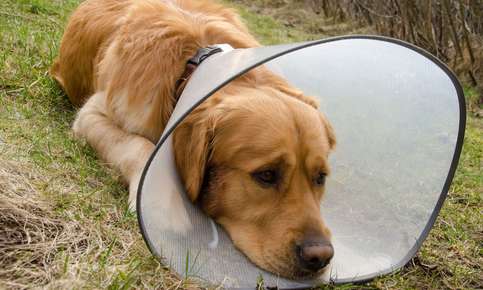
dog in a cone

Scratching is the natural reaction when your skin itches, whether you're a person or an animal. Although a few seconds of vigorous scratching may feel good initially, raking your nails over your skin usually only worsens the problem. Unfortunately, dogs and cats don't know when it's time to stop scratching and may soon develop uncomfortable hot spots on their skin.

What Are Hot Spots?

Hot spots are moist, inflamed, infected areas of skin that feel warm to the touch. Formally called moist dermatitis, the spots can affect both dogs and cats but are more common in dogs. Hot spots can form anywhere on the body, but often develop on the chest, head and hips in dogs and on the tail, head, neck or thigh in cats. Because frequent licking or scratching can cause hair loss, red hot spots are usually very noticeable. If the spots aren't treated promptly, they can worsen and increase in size.

What Causes Hot Spots?

Hot spots develop when your dog or cat continually licks, bites or scratches the skin. When the licking or scratching causes a break in the skin, a painful infection develops. Hots spots tend to occur due to:

  • Flea Infestations
  • Food Allergies
  • Environmental Allergies
  • Stress
  • Joint Pain (Your dog or cat scratches or licks in an attempt to stop the pain.)
  • Matted Hair
  • Insect Bites
  • Contact with Irritating Substances
  • Parasites
  • Boredom
  • Eczema
  • A Foreign Object in the Hair or Skin
  • Infections of the Ears of Skin

Some dogs, such as rottweilers, German shepherds, St. Bernards, Labrador retrievers and golden retrievers, are more likely to develop hot spots than others.

How are Hot Spots Treated?

Reducing the inflammation and killing the bacteria responsible for the infection are important steps in your pet's hot spot treatment plan. Your pet's veterinarian will trim the hair around the spot to make it easier for you to apply the topical medications that will reduce pain, inflammation and infection. Your pet may also need to take antibiotics for a few weeks and may need corticosteroids to decrease itching and inflammation.

It's important to keep your pet from scratching, licking or biting the hot spot while it heals. If your dog or cat just can't leave the spot alone, he or she may need to wear an Elizabethan collar for a few days.

Although these treatments are very effective in healing hot spots, the condition may occur again unless a cause is determined and changes are made. If your pet suffers from a food allergy, eliminating the foods or ingredients that cause the allergic reaction may be helpful. Environmental allergies can be successful managed with special shampoos, immunotherapy, Omega-3 fatty acids or antihistamines. Steroids are usually only recommended if allergy symptoms are severe and don't respond to other treatments.

Flea and tick preventatives are very helpful if your pet developed a hot spot due to a flea infestation. In addition to treating your pet, it's also important to treat your yard with a flea product, wash bedding and toys, and vacuum your home thoroughly to remove any lingering fleas or eggs.

If your dog or cat has started licking, scratching or biting due to boredom, making a few changes to your furry friend's routine can be helpful. Your dog may benefit by spending more time outdoors with you. In addition to long walks and trips to the dog park, agility training or other activities that keep your pet active and engaged can be beneficial. Cats also benefit from extra play time, particularly if they're the only pet in your home.

Hot spots in older pets may actually be a sign of arthritis or hip dysplasia. Your pet's veterinarian may recommend pain medication and joint supplements to ease your dog or cat's pain and improve mobility. In addition to medications, making a few modifications, such as installing a ramp to your bed if your pet sleeps with you, buying a litter box with low sides and providing a heated resting place during the colder months of the year, can improve your pet's comfort and prevent hot spots.

Treating hot spots promptly will help your pet avoid serious infections. If you notice a sore on your pet's skin, give us a call. We'll arrange a convenient appointment and offer treatment to ease your furry friend's pain and address the underlying cause of the condition.

Sources:

American Kennel Club: Treating and Preventing Hot Spots in Dogs, 10/4/16

http://www.akc.org/content/health/articles/treating-and-preventing-hot-spots-on-dogs/

Healthy Pets: Hot Spots: How to Treat Them and What Do They Mean, 6/4/15

https://healthypets.mercola.com/sites/healthypets/archive/2015/06/04/hot-spot-treatment.aspx

Cesar’s Way: Hot Spots on Dogs: Causes and Treatment

https://www.cesarsway.com/hot-spots-on-dogs-causes-and-treatment/

  • Pet Health
    • Chronic Conditions
    • Digestive and Oral Health
    • Diseases and Viruses
    • Pests and Parasites
    • Orthopedics
  • Today's Veterinarian
  • Choosing Your Pet
    • Finding Your Pet
    • Cats
    • Dogs
    • Exotics
      • Amphibians
      • Birds
      • Reptiles
        • Lizards
        • Turtles
    • Small Mammals
      • Ferrets
      • Rabbits
      • Domesticated Animals
        • Prairie Dogs
      • Pocket Pets
        • Chinchillas
        • Guinea Pigs
        • Hamsters
        • Hedgehogs
        • Rats
    • Livestock
      • Cows
      • Donkeys, Horses & Mules
      • Goats
      • Pigs
      • Poultry
      • Sheep
  • Living With Your Pet
    • Bringing Your Pet Home
    • Children and Pets
    • Providing Care
    • Travel
    • Saying Goodbye
  • Newsletter Library
    • Cats
    • Tips for Pet Owners
    • Behavior & Training
    • Fleas & Parasites
    • Keeping Pets Healthy
    • Recognizing Illness
    • Nutrition & Food
    • Pet Dangers
    • Seasonal Topics
    • Visiting the Vet
    • Equine
    • Newsletter Archive
      • Fun with Pets
      • Unbelievable Pets
  • Video Newsroom
    • Health Topics
    • Technology and Science
    • Other Interests
  • Newsletter Library
  • Client Survey
  • Pets4Kids
No embed code settings found. Please configure it

Featured Links

Click to find out more

  • Facebook

    Find us on Facebook.

  • About Us

    Mayerthorpe Veterinary Services is proud to serve the Mayerthorpe Alberta area for everything pet related. Our veterinary clinic and animal hospital is run by licensed, experienced veterinarians.
  • Contact Us

    Please contact with any questions or to request an appointment.

Office Hours

Our Regular Schedule

Monday:

8:30 am-5:00 pm

Tuesday:

8:30 am-5:00 pm

Wednesday:

8:30 am-5:00 pm

Thursday:

8:30 am-5:00 pm

Friday:

8:30 am-5:00 pm

Saturday:

9:00 am-1:00 pm

Sunday:

Closed

Location

Find us on the map

Testimonials

Read What Our Clients Say

Featured Articles

Read about interesting topics

  • March Newsletter: How to Keep Your Cat Safe When Outdoors

    Wondering how your cat can safely spend time outdoors? ...

    Read More
  • March Newsletter: How to Choose Safe Blankets for Pets

    Do you know how to pick a safe blanket for your pet? ...

    Read More
  • February Newsletter: How to Reduce Dental Anxiety in Pets

    Does your pet hate toothbrushing? These tips could reduce dental anxiety. ...

    Read More
  • February Newsletter: How to Safely Change Your Cat’s Food

    Buying a new food for your cat? Find out how to switch foods safely. ...

    Read More
  • January Newsletter: Signs Your Pet Needs a Wellness Exam

    Does your pet need a wellness exam? ...

    Read More
  • January Newsletter: How Your Veterinarian Can Help If Your Pet Ingests Something Toxic

    Has your pet eaten something it shouldn't have? Find out how your vet can help. ...

    Read More
  • December Newsletter: Signs Your Pet Needs a Professional Cleaning

    Do you know when your pet needs a professional cleaning? ...

    Read More
  • December Newsletter: Simple Ways to Keep Your Home Flea-Free for Your Pet’s Well-being

    Never want to see another flea again? Try these tips for a flea-free home. ...

    Read More
  • November Newsletter: The Importance of Bloodwork for Your Pet’s Health

    Wondering if your pet really needs bloodwork? Find out the benefits of blood tests for your furry friend. ...

    Read More
  • November Newsletter: Turkey Day Tips for Pet Owners

    Don't forget about your pet when making Turkey Day preparations. ...

    Read More

Newsletter Sign Up

Error!

    • Copyright © 2026 MH Sub I, LLC dba iMatrix.
    • Admin Log In
    • Site Map