Mayerthorpe Veterinary Services

4818 42 Ave (PO Box 509)

Mayerthorpe, Alberta ABT0E1N0 Canada

780-786-2000

Open mobile navigation
  • Home
  • Contact Us
  • About Us
    • Clinic Tour
      • Onsite Diagnostics
    • Meet the Staff
    • Service Overview
  • Services
    • Small Animal
      • Spays and Neuters
      • Vaccinations and Wellness Exams
      • Soft Tissue Surgery
      • Orthopedic Surgery
      • Dentistry
      • Laser Therapy
    • Bovine
    • Equine
    • Small Ruminant & Camelids
    • Cervid & Bison
    • Other Species
    • Emergency Services
  • Patient Resources
    • Small Animal
      • Breeding and Whelping
      • Puppy Care
      • Kitten Care
      • Geriatric Pets
      • Surgical Info
      • Tattoos and Microchips
      • Pet Euthanasia & Memorials
      • Spays and Neuters
      • Nutrition
    • Bovine
      • Bringing In Your Cattle
      • Farm Visits
      • Vaccinations
      • VCPR and Herd Health
      • Export and EU Certification
      • Resources
    • Equine
      • Bringing In Your Horse
      • Farm Visits
      • Wellness Care
      • Coggins Testing and Exports
      • Referral Information
      • Euthanasia
    • Small Ruminants and Camelids
      • Consultations
      • Deworming
      • Herd/Flock Health and VCPR
      • Vaccinations
      • Resources
    • Exotic and Pocket Pets
    • Veterinary Resources
    • Payment Options
  • Veterinary Newsletters
    • Pet Health
      • Chronic Conditions
      • Digestive and Oral Health
      • Diseases and Viruses
      • Pests and Parasites
      • Orthopedics
    • Today's Veterinarian
    • Choosing Your Pet
      • Finding Your Pet
      • Cats
      • Dogs
      • Exotics
        • Amphibians
        • Birds
        • Reptiles
          • Lizards
          • Turtles
      • Small Mammals
        • Ferrets
        • Rabbits
        • Domesticated Animals
          • Prairie Dogs
        • Pocket Pets
          • Chinchillas
          • Guinea Pigs
          • Hamsters
          • Hedgehogs
          • Rats
      • Livestock
        • Cows
        • Donkeys, Horses & Mules
        • Goats
        • Pigs
        • Poultry
        • Sheep
    • Living With Your Pet
      • Bringing Your Pet Home
      • Children and Pets
      • Providing Care
      • Travel
      • Saying Goodbye
    • Newsletter Library
      • Cats
      • Tips for Pet Owners
      • Behavior & Training
      • Fleas & Parasites
      • Keeping Pets Healthy
      • Recognizing Illness
      • Nutrition & Food
      • Pet Dangers
      • Seasonal Topics
      • Visiting the Vet
      • Equine
      • Newsletter Archive
        • Fun with Pets
        • Unbelievable Pets
    • Video Newsroom
      • Health Topics
      • Technology and Science
      • Other Interests
    • Newsletter Library
    • Client Survey
    • Pets4Kids
  • Home >
  • Articles >
  • Newsletter Library >
  • Mistakes to Avoid as a Cat Owner

Mistakes to Avoid as a Cat Owner

  • Created in Newsletter Library

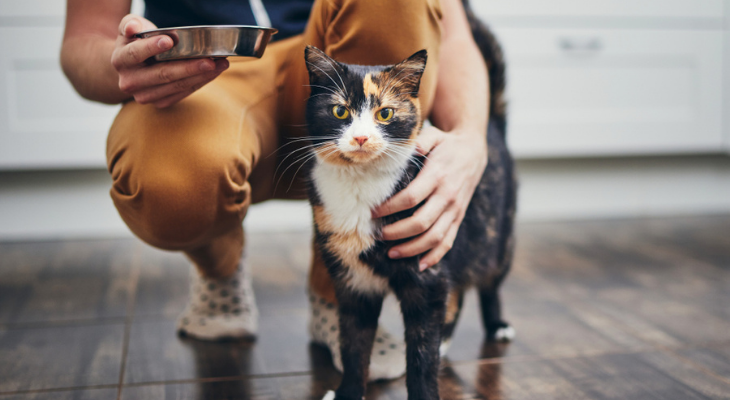
Man holding food bowl for cat

Are You Making These Common Mistakes with Your Cat?

Cats offer so much to their companions yet want little in return - a cozy place to sleep (preferably on you), tasty food, and a few toys. As your cat's human guardian, it's only natural to want to make your favorite feline's life as comfortable and happy as possible. Although you may have the best intentions, some of your decisions could cause issues that might affect your pet's health and well-being. These six mistakes are particularly common among cat owners.

1. Overfilling Your Cat's Food Bowl

There's no such thing as too much food as far as your cat is concerned. In fact, every time you visit the kitchen, your pet may run to its food bowl, silently pleading with you to add a little more food.

Although topping off the bowl may seem harmless, it could increase your pet's risk of becoming overweight or obese. Diabetes, arthritis, gastrointestinal problems, liver disease, and other conditions are more likely to occur if your pet weighs too much.

Fortunately, you can decrease the risk of these health problems simply by following the feeding recommendations printed on the food label. If you're concerned that your cat isn't getting enough to eat, talk to the veterinarian before increasing food amounts.

2. Forgetting About Dental Care

Brushing your teeth every day removes plaque, a transparent sticky film that coats the teeth, increasing your risk of tooth decay and gum disease. Plaque also builds up on your pet's teeth and can cause the same conditions. Although eating dry food is supposed to help remove plaque, at least in theory, that's not always the case. If the morsels are small or your pet swallows food whole, eating probably won't do much to get rid of plaque.

Brushing is the best way to control plaque on your pet's teeth. Cats tend to accept brushing more readily if it's started when they're young, but that doesn't mean it's ever too late to start an oral hygiene routine. Older cats can often handle brushing if you start the process gradually and use a pet toothbrush or a finger brush.

Dental cleanings at the veterinary office are also a must. Cleanings remove plaque and tartar above and below the gum line while your cat is anesthetized. Tartar is a hard deposit that can damage your pet's gums and tooth roots. The American Veterinary Dental College recommends yearly dental cleanings for pets.

3. Giving Your Cat Milk

Just like people, many cats suffer from lactose intolerance when they drink milk. Although cats can digest lactose when they're kittens, they lose that ability as they get older. If your cat is lactose intolerant, drinking milk can result in an upset stomach, vomiting, abdominal pain, or diarrhea.

4. Not Providing Identification for Your Cat

Whether your cat lives solely indoors or goes outside occasionally, identification is a must. Unfortunately, it only takes a few seconds for your cat to slip through an open door and vanish. You're much more likely to be reunited with a lost pet if it's microchipped or wearing a collar with an ID tag.

5. Avoiding Spaying or Neutering for Your Cat

Spaying (for females) and neutering (for males) prevent your cat from reproducing. In addition to reducing the number of unwanted cats and kittens, spaying and neutering also offer health benefits for your feline. The surgery helps female cats avoid breast cancer and uterine infections and prevents or reduces the risk of prostate gland enlargement and testicular cancer in males, according to the American Veterinary Medical Association.

6. Skipping Veterinary Visits

Yearly appointments with the veterinarian help you protect your cat's health. During checkups, your pet's doctor looks for subtle signs of illnesses and diseases. Early detection may make it easier to treat conditions and reduce your pet's risk of complications or serious health issues.

Routine blood tests conducted during annual visits provide important information on your pet's health. The tests can detect diabetes, thyroid disease, heart or bone damage, or liver, kidney, or gallbladder disease long before your pet shows any symptoms.

During the appointment, your pet may also receive vaccinations that will prevent potentially deadly diseases, such as rabies and distemper. Visits also offer the perfect opportunity to monitor your pet's weight and discuss any health or behavioral concerns you may have.

Is it time for your cat's next visit to the veterinarian? Contact our office to schedule your pet's appointment.

Sources:

American Veterinary Dental College: Pet Periodontal Disease

American Veterinary Medical College: Spaying and Neutering

Readers Digest: Can Cat’s Drink Milk?, 3/23/20

WebMD: Well Visits for Cats

  • Pet Health
    • Chronic Conditions
    • Digestive and Oral Health
    • Diseases and Viruses
    • Pests and Parasites
    • Orthopedics
  • Today's Veterinarian
  • Choosing Your Pet
    • Finding Your Pet
    • Cats
    • Dogs
    • Exotics
      • Amphibians
      • Birds
      • Reptiles
        • Lizards
        • Turtles
    • Small Mammals
      • Ferrets
      • Rabbits
      • Domesticated Animals
        • Prairie Dogs
      • Pocket Pets
        • Chinchillas
        • Guinea Pigs
        • Hamsters
        • Hedgehogs
        • Rats
    • Livestock
      • Cows
      • Donkeys, Horses & Mules
      • Goats
      • Pigs
      • Poultry
      • Sheep
  • Living With Your Pet
    • Bringing Your Pet Home
    • Children and Pets
    • Providing Care
    • Travel
    • Saying Goodbye
  • Newsletter Library
    • Cats
    • Tips for Pet Owners
    • Behavior & Training
    • Fleas & Parasites
    • Keeping Pets Healthy
    • Recognizing Illness
    • Nutrition & Food
    • Pet Dangers
    • Seasonal Topics
    • Visiting the Vet
    • Equine
    • Newsletter Archive
      • Fun with Pets
      • Unbelievable Pets
  • Video Newsroom
    • Health Topics
    • Technology and Science
    • Other Interests
  • Newsletter Library
  • Client Survey
  • Pets4Kids
No embed code settings found. Please configure it

Featured Links

Click to find out more

  • Facebook

    Find us on Facebook.

  • About Us

    Mayerthorpe Veterinary Services is proud to serve the Mayerthorpe Alberta area for everything pet related. Our veterinary clinic and animal hospital is run by licensed, experienced veterinarians.
  • Contact Us

    Please contact with any questions or to request an appointment.

Office Hours

Our Regular Schedule

Monday:

8:30 am-5:00 pm

Tuesday:

8:30 am-5:00 pm

Wednesday:

8:30 am-5:00 pm

Thursday:

8:30 am-5:00 pm

Friday:

8:30 am-5:00 pm

Saturday:

9:00 am-1:00 pm

Sunday:

Closed

Location

Find us on the map

Testimonials

Read What Our Clients Say

Featured Articles

Read about interesting topics

  • March Newsletter: How to Keep Your Cat Safe When Outdoors

    Wondering how your cat can safely spend time outdoors? ...

    Read More
  • March Newsletter: How to Choose Safe Blankets for Pets

    Do you know how to pick a safe blanket for your pet? ...

    Read More
  • February Newsletter: How to Reduce Dental Anxiety in Pets

    Does your pet hate toothbrushing? These tips could reduce dental anxiety. ...

    Read More
  • February Newsletter: How to Safely Change Your Cat’s Food

    Buying a new food for your cat? Find out how to switch foods safely. ...

    Read More
  • January Newsletter: Signs Your Pet Needs a Wellness Exam

    Does your pet need a wellness exam? ...

    Read More
  • January Newsletter: How Your Veterinarian Can Help If Your Pet Ingests Something Toxic

    Has your pet eaten something it shouldn't have? Find out how your vet can help. ...

    Read More
  • December Newsletter: Signs Your Pet Needs a Professional Cleaning

    Do you know when your pet needs a professional cleaning? ...

    Read More
  • December Newsletter: Simple Ways to Keep Your Home Flea-Free for Your Pet’s Well-being

    Never want to see another flea again? Try these tips for a flea-free home. ...

    Read More
  • November Newsletter: The Importance of Bloodwork for Your Pet’s Health

    Wondering if your pet really needs bloodwork? Find out the benefits of blood tests for your furry friend. ...

    Read More
  • November Newsletter: Turkey Day Tips for Pet Owners

    Don't forget about your pet when making Turkey Day preparations. ...

    Read More

Newsletter Sign Up

Error!

    • Copyright © 2026 MH Sub I, LLC dba iMatrix.
    • Admin Log In
    • Site Map