Mayerthorpe Veterinary Services

4818 42 Ave (PO Box 509)

Mayerthorpe, Alberta ABT0E1N0 Canada

780-786-2000

Open mobile navigation
  • Home
  • Contact Us
  • About Us
    • Clinic Tour
      • Onsite Diagnostics
    • Meet the Staff
    • Service Overview
  • Services
    • Small Animal
      • Spays and Neuters
      • Vaccinations and Wellness Exams
      • Soft Tissue Surgery
      • Orthopedic Surgery
      • Dentistry
      • Laser Therapy
    • Bovine
    • Equine
    • Small Ruminant & Camelids
    • Cervid & Bison
    • Other Species
    • Emergency Services
  • Patient Resources
    • Small Animal
      • Breeding and Whelping
      • Puppy Care
      • Kitten Care
      • Geriatric Pets
      • Surgical Info
      • Tattoos and Microchips
      • Pet Euthanasia & Memorials
      • Spays and Neuters
      • Nutrition
    • Bovine
      • Bringing In Your Cattle
      • Farm Visits
      • Vaccinations
      • VCPR and Herd Health
      • Export and EU Certification
      • Resources
    • Equine
      • Bringing In Your Horse
      • Farm Visits
      • Wellness Care
      • Coggins Testing and Exports
      • Referral Information
      • Euthanasia
    • Small Ruminants and Camelids
      • Consultations
      • Deworming
      • Herd/Flock Health and VCPR
      • Vaccinations
      • Resources
    • Exotic and Pocket Pets
    • Veterinary Resources
    • Payment Options
  • Veterinary Newsletters
    • Pet Health
      • Chronic Conditions
      • Digestive and Oral Health
      • Diseases and Viruses
      • Pests and Parasites
      • Orthopedics
    • Today's Veterinarian
    • Choosing Your Pet
      • Finding Your Pet
      • Cats
      • Dogs
      • Exotics
        • Amphibians
        • Birds
        • Reptiles
          • Lizards
          • Turtles
      • Small Mammals
        • Ferrets
        • Rabbits
        • Domesticated Animals
          • Prairie Dogs
        • Pocket Pets
          • Chinchillas
          • Guinea Pigs
          • Hamsters
          • Hedgehogs
          • Rats
      • Livestock
        • Cows
        • Donkeys, Horses & Mules
        • Goats
        • Pigs
        • Poultry
        • Sheep
    • Living With Your Pet
      • Bringing Your Pet Home
      • Children and Pets
      • Providing Care
      • Travel
      • Saying Goodbye
    • Newsletter Library
      • Cats
      • Tips for Pet Owners
      • Behavior & Training
      • Fleas & Parasites
      • Keeping Pets Healthy
      • Recognizing Illness
      • Nutrition & Food
      • Pet Dangers
      • Seasonal Topics
      • Visiting the Vet
      • Equine
      • Newsletter Archive
        • Fun with Pets
        • Unbelievable Pets
    • Video Newsroom
      • Health Topics
      • Technology and Science
      • Other Interests
    • Newsletter Library
    • Client Survey
    • Pets4Kids
  • Home >
  • Articles >
  • Newsletter Library >
  • Tips for Pet Owners >
  • Try These Tricks the Next Time You Have to Give Your Pet Medication

Try These Tricks the Next Time You Have to Give Your Pet Medication

  • Created in Newsletter Library, Tips for Pet Owners
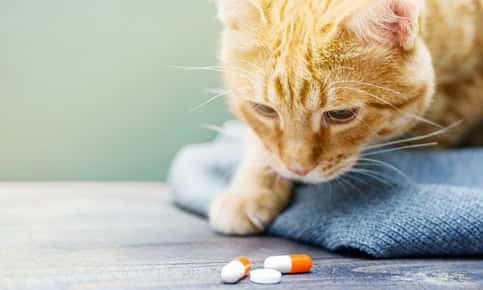
Cat pills

Try These Tricks the Next Time You Have to Give Your Pet Medication

Have you noticed that your pet seems to develop jaws of steel when it's time for a dose of medicine? As you struggle to pry apart your furry friend's teeth, you know you only have one chance to drop the pill in his or mouth or squirt the contents of the dropper full of liquid medication. If you miss that chance, the pill ends up on the floor or the liquid drips down your pet's face. Giving your pet medication doesn't have to be a stressful experience for either of you if try a few of the following tricks.

Hide the Medication

Concealing a pill or liquid medication in food isn't a new trick, but it's one of the easiest ways to get your pet to take medication. If you want to try this sneaky approach, keep these things in mind:

  • Size Matters. Hide the pill or mix the liquid medication in a fairly small piece of food. If you serve your pet a large meal, he or she may never eat the part that contains the pill. Before mixing a medication in food, check with your pet's veterinarian. Some medications are less effective if they aren't taken in their original form.
  • The Stinkier, the Better. Pets can sniff out unusual smells in their food and may reject even favorite treats if they don't smell right. If your pet has foiled your plans in the past, hide the pill or medication in a smelly food, like salmon or a particularly stinky type of soft cheese. Strong food odors will make it easier to ignore that distinctive medicinal smell.
  • Use a Capsule. Consider hiding medications that smell or taste bad in an empty capsule before adding the medicine to food. Once the pill is enclosed in the capsule, your pet won't be able to smell it.

Change the Flavor

Cherry and bubblegum flavors make medications more palatable to young children, but they don't tempt your pet's taste buds. Luckily, compounding pharmacies can add flavors pets enjoy, including beef, fish, chicken, cheese and liver. If the pill or liquid medication tastes good, your pet may accept it willingly.

Make It Easy

A few of these tips may make giving your pet medication less challenging:

  • Distract Your Pet. Give your dog a medication-infused treat during a walk or offer a bite of a tuna-encrusted medication while your cat is mesmerized by the birds outside the window.
  • Keep Him or Her Guessing. Your pet will soon catch on if you only offer a certain treat when it's time for the next medication dose. Give your pet a few treats throughout the day to make him or her more receptive when it's time for the next dose of medicine.
  • Take Advantage of Peer Pressure. Other pets don't like to be left out when you're distributing food. Take advantage of your group's competitive nature by offering the entire gang treats. As the patient hurries to keep up with his or her peers, sneak in the treat that contains the medication.
  • Try the Paw Method. Mix crushed pills or liquid medication with peanut butter or any other sticky food, place it on your pet's paws, and watch him or her lick it off.

When All Else Fails, Place the Medication in Your Pet's Mouth

Despite your best efforts, your pet may refuse to take the pill or liquid. If this happens, you'll need to place the medication in his or her mouth. Tilt your dog's head back, grasp the top jaw between your thumb and index finger and pull up. Gently pry the lower jaw open with your middle and ring fingers and place the pill in the dog's mouth, then stroke his or throat to encourage swallowing. Avoid placing your fingers over the sharp, fang-like canine teeth.

If you're giving a pill to a cat, place your hand over the upper jaw, then tilt the head backward. Many cats will automatically open their mouths at this point, and you can insert the pill. If this doesn't happen, use your middle finger to gently open the jaw, then deposit the pill near the back of the mouth.

A pill gun, a device that shoots the pill into your pet's mouth, is a good option if you're worried that your pet might bite you.

Don't tilt the head back if you're giving a dog or cat liquid medication, as this can cause choking. Aim the dropper to the side of mouth between the teeth and the gums.

Keep your pet healthy with regular visits to the veterinarian. Contact us to schedule your pet's next visit.

Sources:

VetStreet: How to Give Your Dog Medication, 1/23/13

http://www.vetstreet.com/dogs/how-to-give-your-dog-medication

PetMD: How to Give Your Pet a Pill

https://www.petmd.com/dog/care/how-give-your-pet-pill

Washington State University: Giving Oral Medications to Your Dog

https://www.vetmed.wsu.edu/outreach/Pet-Health-Topics/categories/procedures/dogs/giving-oral-medications-to-your-dog

  • Pet Health
    • Chronic Conditions
    • Digestive and Oral Health
    • Diseases and Viruses
    • Pests and Parasites
    • Orthopedics
  • Today's Veterinarian
  • Choosing Your Pet
    • Finding Your Pet
    • Cats
    • Dogs
    • Exotics
      • Amphibians
      • Birds
      • Reptiles
        • Lizards
        • Turtles
    • Small Mammals
      • Ferrets
      • Rabbits
      • Domesticated Animals
        • Prairie Dogs
      • Pocket Pets
        • Chinchillas
        • Guinea Pigs
        • Hamsters
        • Hedgehogs
        • Rats
    • Livestock
      • Cows
      • Donkeys, Horses & Mules
      • Goats
      • Pigs
      • Poultry
      • Sheep
  • Living With Your Pet
    • Bringing Your Pet Home
    • Children and Pets
    • Providing Care
    • Travel
    • Saying Goodbye
  • Newsletter Library
    • Cats
    • Tips for Pet Owners
    • Behavior & Training
    • Fleas & Parasites
    • Keeping Pets Healthy
    • Recognizing Illness
    • Nutrition & Food
    • Pet Dangers
    • Seasonal Topics
    • Visiting the Vet
    • Equine
    • Newsletter Archive
      • Fun with Pets
      • Unbelievable Pets
  • Video Newsroom
    • Health Topics
    • Technology and Science
    • Other Interests
  • Newsletter Library
  • Client Survey
  • Pets4Kids
No embed code settings found. Please configure it

Featured Links

Click to find out more

  • Facebook

    Find us on Facebook.

  • About Us

    Mayerthorpe Veterinary Services is proud to serve the Mayerthorpe Alberta area for everything pet related. Our veterinary clinic and animal hospital is run by licensed, experienced veterinarians.
  • Contact Us

    Please contact with any questions or to request an appointment.

Office Hours

Our Regular Schedule

Monday:

8:30 am-5:00 pm

Tuesday:

8:30 am-5:00 pm

Wednesday:

8:30 am-5:00 pm

Thursday:

8:30 am-5:00 pm

Friday:

8:30 am-5:00 pm

Saturday:

9:00 am-1:00 pm

Sunday:

Closed

Location

Find us on the map

Testimonials

Read What Our Clients Say

Featured Articles

Read about interesting topics

  • March Newsletter: How to Keep Your Cat Safe When Outdoors

    Wondering how your cat can safely spend time outdoors? ...

    Read More
  • March Newsletter: How to Choose Safe Blankets for Pets

    Do you know how to pick a safe blanket for your pet? ...

    Read More
  • February Newsletter: How to Reduce Dental Anxiety in Pets

    Does your pet hate toothbrushing? These tips could reduce dental anxiety. ...

    Read More
  • February Newsletter: How to Safely Change Your Cat’s Food

    Buying a new food for your cat? Find out how to switch foods safely. ...

    Read More
  • January Newsletter: Signs Your Pet Needs a Wellness Exam

    Does your pet need a wellness exam? ...

    Read More
  • January Newsletter: How Your Veterinarian Can Help If Your Pet Ingests Something Toxic

    Has your pet eaten something it shouldn't have? Find out how your vet can help. ...

    Read More
  • December Newsletter: Signs Your Pet Needs a Professional Cleaning

    Do you know when your pet needs a professional cleaning? ...

    Read More
  • December Newsletter: Simple Ways to Keep Your Home Flea-Free for Your Pet’s Well-being

    Never want to see another flea again? Try these tips for a flea-free home. ...

    Read More
  • November Newsletter: The Importance of Bloodwork for Your Pet’s Health

    Wondering if your pet really needs bloodwork? Find out the benefits of blood tests for your furry friend. ...

    Read More
  • November Newsletter: Turkey Day Tips for Pet Owners

    Don't forget about your pet when making Turkey Day preparations. ...

    Read More

Newsletter Sign Up

Error!

    • Copyright © 2026 MH Sub I, LLC dba iMatrix.
    • Admin Log In
    • Site Map