Mayerthorpe Veterinary Services

4818 42 Ave (PO Box 509)

Mayerthorpe, Alberta ABT0E1N0 Canada

780-786-2000

Open mobile navigation
  • Home
  • Contact Us
  • About Us
    • Clinic Tour
      • Onsite Diagnostics
    • Meet the Staff
    • Service Overview
  • Services
    • Small Animal
      • Spays and Neuters
      • Vaccinations and Wellness Exams
      • Soft Tissue Surgery
      • Orthopedic Surgery
      • Dentistry
      • Laser Therapy
    • Bovine
    • Equine
    • Small Ruminant & Camelids
    • Cervid & Bison
    • Other Species
    • Emergency Services
  • Patient Resources
    • Small Animal
      • Breeding and Whelping
      • Puppy Care
      • Kitten Care
      • Geriatric Pets
      • Surgical Info
      • Tattoos and Microchips
      • Pet Euthanasia & Memorials
      • Spays and Neuters
      • Nutrition
    • Bovine
      • Bringing In Your Cattle
      • Farm Visits
      • Vaccinations
      • VCPR and Herd Health
      • Export and EU Certification
      • Resources
    • Equine
      • Bringing In Your Horse
      • Farm Visits
      • Wellness Care
      • Coggins Testing and Exports
      • Referral Information
      • Euthanasia
    • Small Ruminants and Camelids
      • Consultations
      • Deworming
      • Herd/Flock Health and VCPR
      • Vaccinations
      • Resources
    • Exotic and Pocket Pets
    • Veterinary Resources
    • Payment Options
  • Veterinary Newsletters
    • Pet Health
      • Chronic Conditions
      • Digestive and Oral Health
      • Diseases and Viruses
      • Pests and Parasites
      • Orthopedics
    • Today's Veterinarian
    • Choosing Your Pet
      • Finding Your Pet
      • Cats
      • Dogs
      • Exotics
        • Amphibians
        • Birds
        • Reptiles
          • Lizards
          • Turtles
      • Small Mammals
        • Ferrets
        • Rabbits
        • Domesticated Animals
          • Prairie Dogs
        • Pocket Pets
          • Chinchillas
          • Guinea Pigs
          • Hamsters
          • Hedgehogs
          • Rats
      • Livestock
        • Cows
        • Donkeys, Horses & Mules
        • Goats
        • Pigs
        • Poultry
        • Sheep
    • Living With Your Pet
      • Bringing Your Pet Home
      • Children and Pets
      • Providing Care
      • Travel
      • Saying Goodbye
    • Newsletter Library
      • Cats
      • Tips for Pet Owners
      • Behavior & Training
      • Fleas & Parasites
      • Keeping Pets Healthy
      • Recognizing Illness
      • Nutrition & Food
      • Pet Dangers
      • Seasonal Topics
      • Visiting the Vet
      • Equine
      • Newsletter Archive
        • Fun with Pets
        • Unbelievable Pets
    • Video Newsroom
      • Health Topics
      • Technology and Science
      • Other Interests
    • Newsletter Library
    • Client Survey
    • Pets4Kids
  • Home >
  • Articles >
  • Newsletter Library >
  • Keeping Pets Healthy >
  • How to Treat Common Paw Problems in Dogs

How to Treat Common Paw Problems in Dogs

  • Created in Newsletter Library, Keeping Pets Healthy

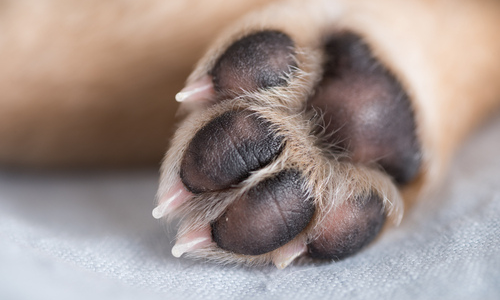
Dog paws

Common Paw Problems in Dogs

Healthy paws are essential to your pet's comfort and well-being. Paws offer protection against hazards, improve traction and balance, and serve as shock absorbers for the limbs. Regular home paw exams can help you spot these common paw issues.

Cracked Pads

Cracks may develop in the pads on the bottom of your dog's feet after exposure to cold temperatures, salt, chemicals, cleaners, or fertilizers. Cracks may bleed and might become infected without treatment. A moisturizing balm can help heal minor cracks. If cracks are deep or bleeding, your furry friend may need a prescription for antibiotic cream.

Booties, socks, paw balm, pad protectors, or other products can reduce the risk of cracks and keep your dog comfortable during walks and outdoor play sessions.

Allergies

Allergies may be responsible for your pet's red, swollen, smelly paws. Dogs often lick, bite, or chew the feet to try to ease the never-ending itching that occurs with allergies. Over-the-counter allergy medication or prescription steroid medication, depending on the severity of the allergies, can reduce itching and other symptoms. (Check with your pet's veterinarian before you give your pet any over-the-counter medication.) If your furry friend has developed a bacterial infection as a result of licking or biting the feet, antibiotics may also be needed.

Mats

Mats can form on the skin between the toes, particularly if your dog has long hair. Matted hair may sound like a minor problem, but mats tend to pull on the skin, causing discomfort and even infections in severe cases. Brushing the hair between the toes regularly and taking your dog to the groomer for an occasional trim can help prevent mats from forming.

Injuries

Your furry friend's paws may be tough but they can be injured by hot and cold surfaces, broken glass, sticks, or sharp stones. Nail injuries can also cause painful paw injuries. Long nails can easily become caught in cracks in flooring and tear away, resulting in pain and bleeding. Call your pet's veterinarian if you notice blisters, swelling, bleeding, limping, or embedded objects in the paws or paw pads. Emergency treatment can improve your pet's comfort and reduce the risk of infection.

Yeast Infection

Do your dog's feet smell like corn chips? A yeast infection may be the cause of this peculiar odor. The infection is more likely to occur if your dog has allergies, a hormonal imbalance, or immune system issues. Yeast infection symptoms can include itching, greasy skin, crusty paws, and swollen nail beds. Anti-fungal creams, wipes, and oral medication can clear the infection. It's also important to treat underlying conditions that may have caused the infection.

Demodectic Pododermatitis

Mange can affect your pet's entire body causing hair loss and crusty or scaly skin. Demodectic pododermatitis is confined to the feet and causes itching and hair loss on the paws. The condition occurs due to the overgrowth of tiny mites that live in hair follicles. Although these mites don't usually cause any problems normally, they can trigger mange symptoms if your pet has a weak immune system.

Treatment of demodectic pododermatitis may include soaking the feet in a dip solution, oral medication, and antibiotics to treat infections.

Pemphigus Foliaceus

Fluid-filled blisters or crusty skin on the paw pads can occur if your pet has pemphigus foliaceus (PF), an auto-immune condition. Eventually, your dog's pads may thicken and begin to crack. The condition happens when your pet's immune system attacks the outer layers of the paw pads. Corticosteroids will stop the blisters from forming and improve the condition of your pet's paws. Your dog may need to take the medication for the rest of his or her life.

Is your dog having paw problems or limping? Injuries and infections can make your furry friend miserable. We can determine the source of your pet's paw issues and offer treatment recommendations that will improve your pet's comfort. Contact our office to schedule a convenient appointment.

Sources:

PetMD: 9 Common Paw Problems in Dogs, 6/3/16

Pet Health Network: Pododermatitis in Dogs: Why Are My Dog’s Feet Red and Itchy

American Kennel Club: Why Is My Dog Limping, 5/21/19

  • Pet Health
    • Chronic Conditions
    • Digestive and Oral Health
    • Diseases and Viruses
    • Pests and Parasites
    • Orthopedics
  • Today's Veterinarian
  • Choosing Your Pet
    • Finding Your Pet
    • Cats
    • Dogs
    • Exotics
      • Amphibians
      • Birds
      • Reptiles
        • Lizards
        • Turtles
    • Small Mammals
      • Ferrets
      • Rabbits
      • Domesticated Animals
        • Prairie Dogs
      • Pocket Pets
        • Chinchillas
        • Guinea Pigs
        • Hamsters
        • Hedgehogs
        • Rats
    • Livestock
      • Cows
      • Donkeys, Horses & Mules
      • Goats
      • Pigs
      • Poultry
      • Sheep
  • Living With Your Pet
    • Bringing Your Pet Home
    • Children and Pets
    • Providing Care
    • Travel
    • Saying Goodbye
  • Newsletter Library
    • Cats
    • Tips for Pet Owners
    • Behavior & Training
    • Fleas & Parasites
    • Keeping Pets Healthy
    • Recognizing Illness
    • Nutrition & Food
    • Pet Dangers
    • Seasonal Topics
    • Visiting the Vet
    • Equine
    • Newsletter Archive
      • Fun with Pets
      • Unbelievable Pets
  • Video Newsroom
    • Health Topics
    • Technology and Science
    • Other Interests
  • Newsletter Library
  • Client Survey
  • Pets4Kids
No embed code settings found. Please configure it

Featured Links

Click to find out more

  • Facebook

    Find us on Facebook.

  • About Us

    Mayerthorpe Veterinary Services is proud to serve the Mayerthorpe Alberta area for everything pet related. Our veterinary clinic and animal hospital is run by licensed, experienced veterinarians.
  • Contact Us

    Please contact with any questions or to request an appointment.

Office Hours

Our Regular Schedule

Monday:

8:30 am-5:00 pm

Tuesday:

8:30 am-5:00 pm

Wednesday:

8:30 am-5:00 pm

Thursday:

8:30 am-5:00 pm

Friday:

8:30 am-5:00 pm

Saturday:

9:00 am-1:00 pm

Sunday:

Closed

Location

Find us on the map

Testimonials

Read What Our Clients Say

Featured Articles

Read about interesting topics

  • March Newsletter: How to Keep Your Cat Safe When Outdoors

    Wondering how your cat can safely spend time outdoors? ...

    Read More
  • March Newsletter: How to Choose Safe Blankets for Pets

    Do you know how to pick a safe blanket for your pet? ...

    Read More
  • February Newsletter: How to Reduce Dental Anxiety in Pets

    Does your pet hate toothbrushing? These tips could reduce dental anxiety. ...

    Read More
  • February Newsletter: How to Safely Change Your Cat’s Food

    Buying a new food for your cat? Find out how to switch foods safely. ...

    Read More
  • January Newsletter: Signs Your Pet Needs a Wellness Exam

    Does your pet need a wellness exam? ...

    Read More
  • January Newsletter: How Your Veterinarian Can Help If Your Pet Ingests Something Toxic

    Has your pet eaten something it shouldn't have? Find out how your vet can help. ...

    Read More
  • December Newsletter: Signs Your Pet Needs a Professional Cleaning

    Do you know when your pet needs a professional cleaning? ...

    Read More
  • December Newsletter: Simple Ways to Keep Your Home Flea-Free for Your Pet’s Well-being

    Never want to see another flea again? Try these tips for a flea-free home. ...

    Read More
  • November Newsletter: The Importance of Bloodwork for Your Pet’s Health

    Wondering if your pet really needs bloodwork? Find out the benefits of blood tests for your furry friend. ...

    Read More
  • November Newsletter: Turkey Day Tips for Pet Owners

    Don't forget about your pet when making Turkey Day preparations. ...

    Read More

Newsletter Sign Up

Error!

    • Copyright © 2026 MH Sub I, LLC dba iMatrix.
    • Admin Log In
    • Site Map