Mayerthorpe Veterinary Services

4818 42 Ave (PO Box 509)

Mayerthorpe, Alberta ABT0E1N0 Canada

780-786-2000

Open mobile navigation
  • Home
  • Contact Us
  • About Us
    • Clinic Tour
      • Onsite Diagnostics
    • Meet the Staff
    • Service Overview
  • Services
    • Small Animal
      • Spays and Neuters
      • Vaccinations and Wellness Exams
      • Soft Tissue Surgery
      • Orthopedic Surgery
      • Dentistry
      • Laser Therapy
    • Bovine
    • Equine
    • Small Ruminant & Camelids
    • Cervid & Bison
    • Other Species
    • Emergency Services
  • Patient Resources
    • Small Animal
      • Breeding and Whelping
      • Puppy Care
      • Kitten Care
      • Geriatric Pets
      • Surgical Info
      • Tattoos and Microchips
      • Pet Euthanasia & Memorials
      • Spays and Neuters
      • Nutrition
    • Bovine
      • Bringing In Your Cattle
      • Farm Visits
      • Vaccinations
      • VCPR and Herd Health
      • Export and EU Certification
      • Resources
    • Equine
      • Bringing In Your Horse
      • Farm Visits
      • Wellness Care
      • Coggins Testing and Exports
      • Referral Information
      • Euthanasia
    • Small Ruminants and Camelids
      • Consultations
      • Deworming
      • Herd/Flock Health and VCPR
      • Vaccinations
      • Resources
    • Exotic and Pocket Pets
    • Veterinary Resources
    • Payment Options
  • Veterinary Newsletters
    • Pet Health
      • Chronic Conditions
      • Digestive and Oral Health
      • Diseases and Viruses
      • Pests and Parasites
      • Orthopedics
    • Today's Veterinarian
    • Choosing Your Pet
      • Finding Your Pet
      • Cats
      • Dogs
      • Exotics
        • Amphibians
        • Birds
        • Reptiles
          • Lizards
          • Turtles
      • Small Mammals
        • Ferrets
        • Rabbits
        • Domesticated Animals
          • Prairie Dogs
        • Pocket Pets
          • Chinchillas
          • Guinea Pigs
          • Hamsters
          • Hedgehogs
          • Rats
      • Livestock
        • Cows
        • Donkeys, Horses & Mules
        • Goats
        • Pigs
        • Poultry
        • Sheep
    • Living With Your Pet
      • Bringing Your Pet Home
      • Children and Pets
      • Providing Care
      • Travel
      • Saying Goodbye
    • Newsletter Library
      • Cats
      • Tips for Pet Owners
      • Behavior & Training
      • Fleas & Parasites
      • Keeping Pets Healthy
      • Recognizing Illness
      • Nutrition & Food
      • Pet Dangers
      • Seasonal Topics
      • Visiting the Vet
      • Equine
      • Newsletter Archive
        • Fun with Pets
        • Unbelievable Pets
    • Video Newsroom
      • Health Topics
      • Technology and Science
      • Other Interests
    • Newsletter Library
    • Client Survey
    • Pets4Kids
  • Home >
  • Articles >
  • Newsletter Library >
  • Tips for Traveling With Your Pet

Tips for Traveling With Your Pet

  • Created in Newsletter Library
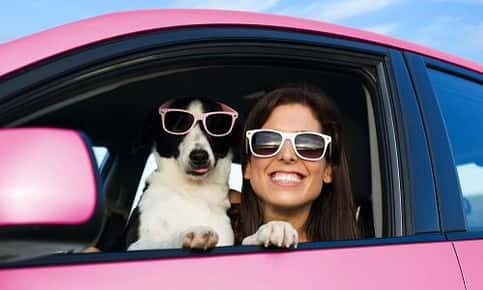
Woman and dog traveling by car in style

How to Travel Safely and Comfortably With Your Pet

Pets are spending more time on the road or in the air these days. In fact, close to 95 percent of pet owners planned to take their pets on overnight trips in 2018, according to a Go Pet Friendly survey. Although vacations are always more fun when your pet comes along, traveling does require more planning when your dog, cat or small animal accompanies you. Following a few of these tips just might make travel more pleasant for you and your pets.

Restrain Your Pet

Your pet may prefer to roam free in your car, but that isn't the best option if you want to reach your destination without any unfortunate incidents. Unrestrained animals can be seriously injured in even minor accidents and can pose a hazard to drivers. If you spend more time paying attention to your dog or cat's antics instead of watching the road, you may not notice that the car in front of you stopped suddenly.

Harnesses, pet seatbelts, and car seats keep your dog safe, yet make it easy to view the scenery outside the window. Carriers are usually the best option for cats and small animals. Make sure you secure the handle or strap of the carrier to the seat belt to stabilize the carrier.

Exploding airbags may save your life in an accident, but they can be deadly to pets. For safety's sake, the back seat is the best location for your pets.

If you'll be flying, check with the airline before you purchase a carrier or crate. Each airline may have its own requirements regarding size and type.

Don't Forget the Necessities

You can certainly buy food, water, and litter on the road, but it may make the trip easier if you bring these supplies from home. If you're traveling to an out-of-the-way town for a romantic getaway, it may not be easy to find your pet's preferred food brand in local stores. Unfortunately, introducing new food suddenly can lead to an upset stomach and diarrhea, which, needless to say, can certainly kill the romance.

Several manufacturers offer collapsible food and water bowls and litter boxes that take up less space in your luggage. You'll also want to add a temporary tag that lists your cell phone number and your permanent and temporary addresses to your pet's collar.

Microchipping your pets increases the likelihood that they'll be reunited with you if they become lost, but only if your contact information is up-to-date. If you've moved in the past few years, verify that the microchipping registry has the correct contact information.

Include Frequent Pit Stops in Your Itinerary

You'll probably need to stop every few hours when traveling with dogs and cats. Use a collar and lead or a harness and lead to prevent your pet from taking off the moment you open the car door. Breaks provide your pet time for restroom and water breaks. Plus, they give humans and pets alike the opportunity to stretch tired muscles.

Skip Places That Aren't Pet-Friendly

Unless the establishments are pet-friendly, you won't be able to enjoy a meal at a sit-down restaurant or take in a local attraction on your drive to your destination. Leaving your pet alone in the car alone is never a good idea. During the winter or summer, temperatures can quickly plunge or increase in a closed car, leading to a life-threatening situation for your pet.

In fact, the temperature of your car can rise 20 degrees in just 10 minutes, even with the windows cracked, according to the American Veterinary Medicine Association. So, this should never be an option.

Don't Feed Your Pet Immediately Before the Trip

Pets can experience motion sickness too. Don't feed your pet four to six hours before your trip to reduce the chance of vomiting or diarrhea. If your dog or cat has been carsick in the past, ask the veterinarian if it's safe to offer anti-nausea medication.

Do you have concerns about your pet's travel readiness, or does your furry friend need immunizations or a health certificate to comply with airline regulations? Give us a call and let us know how we can help.

Sources:

American Veterinary Medical Association: Pets in Vehicles

https://www.avma.org/public/PetCare/Pages/pets-in-vehicles.aspx

Go Pet Friendly: 2018 Pet Travel Survey Results from GoPetFriendly.com

https://blog.gopetfriendly.com/2018-pet-travel-survey-results-from-gopetfriendly-com/

The Humane Society of the United States: Travel Safely with Your Pet by Car, Airplane, Ship or Train

https://www.humanesociety.org/resources/travel-safely-your-pet-car-airplane-ship-or-train

American Veterinary Medical Association: Traveling with Your Pet FAQ, 6/16

https://www.avma.org/public/PetCare/Pages/Traveling-with-Your-Pet-FAQs.aspx

ASPCA: Travel Safety Tips

https://www.aspca.org/pet-care/general-pet-care/travel-safety-tips

  • Pet Health
    • Chronic Conditions
    • Digestive and Oral Health
    • Diseases and Viruses
    • Pests and Parasites
    • Orthopedics
  • Today's Veterinarian
  • Choosing Your Pet
    • Finding Your Pet
    • Cats
    • Dogs
    • Exotics
      • Amphibians
      • Birds
      • Reptiles
        • Lizards
        • Turtles
    • Small Mammals
      • Ferrets
      • Rabbits
      • Domesticated Animals
        • Prairie Dogs
      • Pocket Pets
        • Chinchillas
        • Guinea Pigs
        • Hamsters
        • Hedgehogs
        • Rats
    • Livestock
      • Cows
      • Donkeys, Horses & Mules
      • Goats
      • Pigs
      • Poultry
      • Sheep
  • Living With Your Pet
    • Bringing Your Pet Home
    • Children and Pets
    • Providing Care
    • Travel
    • Saying Goodbye
  • Newsletter Library
    • Cats
    • Tips for Pet Owners
    • Behavior & Training
    • Fleas & Parasites
    • Keeping Pets Healthy
    • Recognizing Illness
    • Nutrition & Food
    • Pet Dangers
    • Seasonal Topics
    • Visiting the Vet
    • Equine
    • Newsletter Archive
      • Fun with Pets
      • Unbelievable Pets
  • Video Newsroom
    • Health Topics
    • Technology and Science
    • Other Interests
  • Newsletter Library
  • Client Survey
  • Pets4Kids
No embed code settings found. Please configure it

Featured Links

Click to find out more

  • Facebook

    Find us on Facebook.

  • About Us

    Mayerthorpe Veterinary Services is proud to serve the Mayerthorpe Alberta area for everything pet related. Our veterinary clinic and animal hospital is run by licensed, experienced veterinarians.
  • Contact Us

    Please contact with any questions or to request an appointment.

Office Hours

Our Regular Schedule

Monday:

8:30 am-5:00 pm

Tuesday:

8:30 am-5:00 pm

Wednesday:

8:30 am-5:00 pm

Thursday:

8:30 am-5:00 pm

Friday:

8:30 am-5:00 pm

Saturday:

9:00 am-1:00 pm

Sunday:

Closed

Location

Find us on the map

Testimonials

Read What Our Clients Say

Featured Articles

Read about interesting topics

  • March Newsletter: How to Keep Your Cat Safe When Outdoors

    Wondering how your cat can safely spend time outdoors? ...

    Read More
  • March Newsletter: How to Choose Safe Blankets for Pets

    Do you know how to pick a safe blanket for your pet? ...

    Read More
  • February Newsletter: How to Reduce Dental Anxiety in Pets

    Does your pet hate toothbrushing? These tips could reduce dental anxiety. ...

    Read More
  • February Newsletter: How to Safely Change Your Cat’s Food

    Buying a new food for your cat? Find out how to switch foods safely. ...

    Read More
  • January Newsletter: Signs Your Pet Needs a Wellness Exam

    Does your pet need a wellness exam? ...

    Read More
  • January Newsletter: How Your Veterinarian Can Help If Your Pet Ingests Something Toxic

    Has your pet eaten something it shouldn't have? Find out how your vet can help. ...

    Read More
  • December Newsletter: Signs Your Pet Needs a Professional Cleaning

    Do you know when your pet needs a professional cleaning? ...

    Read More
  • December Newsletter: Simple Ways to Keep Your Home Flea-Free for Your Pet’s Well-being

    Never want to see another flea again? Try these tips for a flea-free home. ...

    Read More
  • November Newsletter: The Importance of Bloodwork for Your Pet’s Health

    Wondering if your pet really needs bloodwork? Find out the benefits of blood tests for your furry friend. ...

    Read More
  • November Newsletter: Turkey Day Tips for Pet Owners

    Don't forget about your pet when making Turkey Day preparations. ...

    Read More

Newsletter Sign Up

Error!

    • Copyright © 2026 MH Sub I, LLC dba iMatrix.
    • Admin Log In
    • Site Map