Mayerthorpe Veterinary Services

4818 42 Ave (PO Box 509)

Mayerthorpe, Alberta ABT0E1N0 Canada

780-786-2000

Open mobile navigation
  • Home
  • Contact Us
  • About Us
    • Clinic Tour
      • Onsite Diagnostics
    • Meet the Staff
    • Service Overview
  • Services
    • Small Animal
      • Spays and Neuters
      • Vaccinations and Wellness Exams
      • Soft Tissue Surgery
      • Orthopedic Surgery
      • Dentistry
      • Laser Therapy
    • Bovine
    • Equine
    • Small Ruminant & Camelids
    • Cervid & Bison
    • Other Species
    • Emergency Services
  • Patient Resources
    • Small Animal
      • Breeding and Whelping
      • Puppy Care
      • Kitten Care
      • Geriatric Pets
      • Surgical Info
      • Tattoos and Microchips
      • Pet Euthanasia & Memorials
      • Spays and Neuters
      • Nutrition
    • Bovine
      • Bringing In Your Cattle
      • Farm Visits
      • Vaccinations
      • VCPR and Herd Health
      • Export and EU Certification
      • Resources
    • Equine
      • Bringing In Your Horse
      • Farm Visits
      • Wellness Care
      • Coggins Testing and Exports
      • Referral Information
      • Euthanasia
    • Small Ruminants and Camelids
      • Consultations
      • Deworming
      • Herd/Flock Health and VCPR
      • Vaccinations
      • Resources
    • Exotic and Pocket Pets
    • Veterinary Resources
    • Payment Options
  • Veterinary Newsletters
    • Pet Health
      • Chronic Conditions
      • Digestive and Oral Health
      • Diseases and Viruses
      • Pests and Parasites
      • Orthopedics
    • Today's Veterinarian
    • Choosing Your Pet
      • Finding Your Pet
      • Cats
      • Dogs
      • Exotics
        • Amphibians
        • Birds
        • Reptiles
          • Lizards
          • Turtles
      • Small Mammals
        • Ferrets
        • Rabbits
        • Domesticated Animals
          • Prairie Dogs
        • Pocket Pets
          • Chinchillas
          • Guinea Pigs
          • Hamsters
          • Hedgehogs
          • Rats
      • Livestock
        • Cows
        • Donkeys, Horses & Mules
        • Goats
        • Pigs
        • Poultry
        • Sheep
    • Living With Your Pet
      • Bringing Your Pet Home
      • Children and Pets
      • Providing Care
      • Travel
      • Saying Goodbye
    • Newsletter Library
      • Cats
      • Tips for Pet Owners
      • Behavior & Training
      • Fleas & Parasites
      • Keeping Pets Healthy
      • Recognizing Illness
      • Nutrition & Food
      • Pet Dangers
      • Seasonal Topics
      • Visiting the Vet
      • Equine
      • Newsletter Archive
        • Fun with Pets
        • Unbelievable Pets
    • Video Newsroom
      • Health Topics
      • Technology and Science
      • Other Interests
    • Newsletter Library
    • Client Survey
    • Pets4Kids
  • Home >
  • Articles >
  • Newsletter Library >
  • Newsletter Archive >
  • Fun with Pets >
  • Protect Your Pets with These Water Safety Tips

Protect Your Pets with These Water Safety Tips

  • Created in Newsletter Library, Newsletter Archive, Fun with Pets
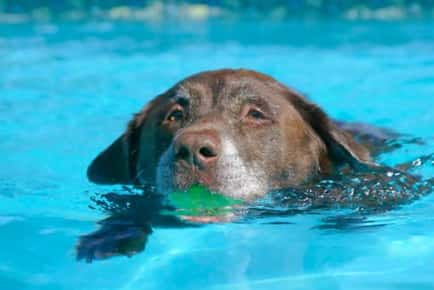
Chocolate lab swimming with a tennis ball in its mouth.

There's nothing better than cooling off in a pool, lake or the ocean on a hot day, particularly if you wear a fur coat year-round. Unfortunately, our pets aren't aware of the dangers that water can pose. A few precautions can help you ensure that your pet enjoys the water safely this summer.

Can Your Pet Swim?

All dogs are not natural swimmers. Some dogs, and most cats, don't even like the water. If you encourage your dog to enter the water without verifying swimming skills, you may need to perform an emergency rescue. Test your dog's skills by following these steps:

  • Encourage your furry friend to step into a few inches of water in a lake or kiddie pool. If you try the test in a lake, use a leash so that your pet can be quickly reached if necessary.
  • Pay attention to your pet's reaction. If it's positive, add a few more inches to the pool or venture a little farther in the lake. Use treats or a clicker to encourage your furry friend to venture into deeper water. If your dog strongly dislikes the experience, try again on another day. Forcing him or her into the water may only create a fear of water.
  • Evaluate your pet's swimming skills. If your dog seems comfortable, walk farther into the water until it's deep enough for your pet to swim. Your dog will begin paddling with all four paws if he or she can swim. If your pet doesn't automatically move the back paws, gently move them to demonstrate the proper technique. It's a good idea to put a special pet life jacket on your pet before this step.
  • Even if your pet can swim, he or she may need a little instruction in making turns, rather than just swimming in a straight line. Keep your pet in a life jacket until you are confident that he or she has strong swimming skills.

Follow These Tips to Keep Your Pet Safe

If you live or play near the water, pet water safety is particularly important. Follow these tips to prevent accidents and injuries.

  • Use a fence around your pool. Fences keep pets and children from falling into the water when the pool is not in use.
  • Buy pool alarms that attach to your pets' collars. If your dog or cat falls in the water, an alarm will sound in your home. Pool alarms are a good idea even if you have an indoor cat, since it only takes a second for a pet to slip through an open a door.
  • Keep a bowl of drinking water by your pool, and bring a supply of fresh water when you visit the beach or lake. Drinking chlorinated water or lake, river or ocean water can make your pet sick.
  • Always put a life jacket on your pet when you take him or her on a boat. If the boat capsizes, your pet may not be able to swim for a long period of time on his or her own.
  • Consider buying a pet water ramp for your pool or boat. These plastic ramps allow pets to easily enter and exit the water.
  • Give your pet a bath after swimming. Bathing removes chlorine that can irritate the skin and bacteria from lakes, rivers and the ocean that can make your pet sick if licked.

Surf Doggies: Teaching Your Dog to Surf is Easier Than You May Think

Want to enjoy your favorite beach activity with your pet? Try these tips.

  • Use a surfboard with a foam top, as it's easier for pets to grip these types of boards.
  • Place a life jacket on your dog, then coax him or her on to the surfboard while it's on the sand. Give the sit/stay command.
  • Ask your dog to sit/stay on the surfboard in a few inches of calm water. Pull the board into deeper water to help your pet adjust to the feeling of being on the board in the water.
  • Catch a wave in waist-deep water. Look for waves that have already broken and are beginning to foam. Push the surfboard into the wave and watch your dog enjoy the ride.
  • Move out a little farther in the water and help your dog catch the bigger waves. Don't move into deeper water unless it's obvious that your pet is comfortable surfing in shallow water. Before long, your furry friend may be ready to enter a dog surfing competition!

Sources:

Water Safety Magazine: Pet Safety Tips, 6/4/12

http://www.watersafetymagazine.com/pet-water-safety-tips/

WebMD: Dogs and Water Safety

http://pets.webmd.com/pets-water-safety

San Antonio Humane Society: Water Safety

http://sahumane.org/news/animal-resources/pet-care-tips/water-safety

Skamper-Ramp: Home Page

http://www.skamper-ramp-store.com/

DogsLife: Teach Your Dog to Surf, 6/27/14

http://www.dogslife.com.au/dog-news/dog-training/teach-dog-surf

Surf Dog USA: Teaching Your Dog to Surf

http://www.surfdogsusa.com/teach-your-dog-to-surf.html

  • Pet Health
    • Chronic Conditions
    • Digestive and Oral Health
    • Diseases and Viruses
    • Pests and Parasites
    • Orthopedics
  • Today's Veterinarian
  • Choosing Your Pet
    • Finding Your Pet
    • Cats
    • Dogs
    • Exotics
      • Amphibians
      • Birds
      • Reptiles
        • Lizards
        • Turtles
    • Small Mammals
      • Ferrets
      • Rabbits
      • Domesticated Animals
        • Prairie Dogs
      • Pocket Pets
        • Chinchillas
        • Guinea Pigs
        • Hamsters
        • Hedgehogs
        • Rats
    • Livestock
      • Cows
      • Donkeys, Horses & Mules
      • Goats
      • Pigs
      • Poultry
      • Sheep
  • Living With Your Pet
    • Bringing Your Pet Home
    • Children and Pets
    • Providing Care
    • Travel
    • Saying Goodbye
  • Newsletter Library
    • Cats
    • Tips for Pet Owners
    • Behavior & Training
    • Fleas & Parasites
    • Keeping Pets Healthy
    • Recognizing Illness
    • Nutrition & Food
    • Pet Dangers
    • Seasonal Topics
    • Visiting the Vet
    • Equine
    • Newsletter Archive
      • Fun with Pets
      • Unbelievable Pets
  • Video Newsroom
    • Health Topics
    • Technology and Science
    • Other Interests
  • Newsletter Library
  • Client Survey
  • Pets4Kids
No embed code settings found. Please configure it

Featured Links

Click to find out more

  • Facebook

    Find us on Facebook.

  • About Us

    Mayerthorpe Veterinary Services is proud to serve the Mayerthorpe Alberta area for everything pet related. Our veterinary clinic and animal hospital is run by licensed, experienced veterinarians.
  • Contact Us

    Please contact with any questions or to request an appointment.

Office Hours

Our Regular Schedule

Monday:

8:30 am-5:00 pm

Tuesday:

8:30 am-5:00 pm

Wednesday:

8:30 am-5:00 pm

Thursday:

8:30 am-5:00 pm

Friday:

8:30 am-5:00 pm

Saturday:

9:00 am-1:00 pm

Sunday:

Closed

Location

Find us on the map

Testimonials

Read What Our Clients Say

Featured Articles

Read about interesting topics

  • March Newsletter: How to Keep Your Cat Safe When Outdoors

    Wondering how your cat can safely spend time outdoors? ...

    Read More
  • March Newsletter: How to Choose Safe Blankets for Pets

    Do you know how to pick a safe blanket for your pet? ...

    Read More
  • February Newsletter: How to Reduce Dental Anxiety in Pets

    Does your pet hate toothbrushing? These tips could reduce dental anxiety. ...

    Read More
  • February Newsletter: How to Safely Change Your Cat’s Food

    Buying a new food for your cat? Find out how to switch foods safely. ...

    Read More
  • January Newsletter: Signs Your Pet Needs a Wellness Exam

    Does your pet need a wellness exam? ...

    Read More
  • January Newsletter: How Your Veterinarian Can Help If Your Pet Ingests Something Toxic

    Has your pet eaten something it shouldn't have? Find out how your vet can help. ...

    Read More
  • December Newsletter: Signs Your Pet Needs a Professional Cleaning

    Do you know when your pet needs a professional cleaning? ...

    Read More
  • December Newsletter: Simple Ways to Keep Your Home Flea-Free for Your Pet’s Well-being

    Never want to see another flea again? Try these tips for a flea-free home. ...

    Read More
  • November Newsletter: The Importance of Bloodwork for Your Pet’s Health

    Wondering if your pet really needs bloodwork? Find out the benefits of blood tests for your furry friend. ...

    Read More
  • November Newsletter: Turkey Day Tips for Pet Owners

    Don't forget about your pet when making Turkey Day preparations. ...

    Read More

Newsletter Sign Up

Error!

    • Copyright © 2026 MH Sub I, LLC dba iMatrix.
    • Admin Log In
    • Site Map